Meditate While You Tan: Mantras for Indoor Tanning

TL;DR: Transform your tanning session into a mindful wellness ritual with simple breathing techniques, calming mantras, and visualization exercises. Learn how to stay relaxed and centered during indoor tanning while prioritizing safety.

Key Takeaways:

  • Tanning beds provide a quiet, warm environment suitable for brief meditation practices
  • Controlled breathing exercises can reduce anxiety and enhance relaxation during your session
  • Simple mantras and visualizations help you stay present and calm
  • Safety remains the top priority—always wear protective eyewear and follow time limits

Table of Contents:

  1. Why Practice Meditation in a Tanning Bed?
  2. Top 3 Meditation Mantras for Tanning Success
  3. Breathing Techniques for Warm Environments
  4. Visualization Exercises for Your Session
  5. Benefits of Combining UV Light and Mindfulness
  6. Frequently Asked Questions
  7. Quick Recap
  8. Local Tanning Salon in Broad Ripple
Tanning Bed Meditation

Why Practice Meditation in a Tanning Bed?

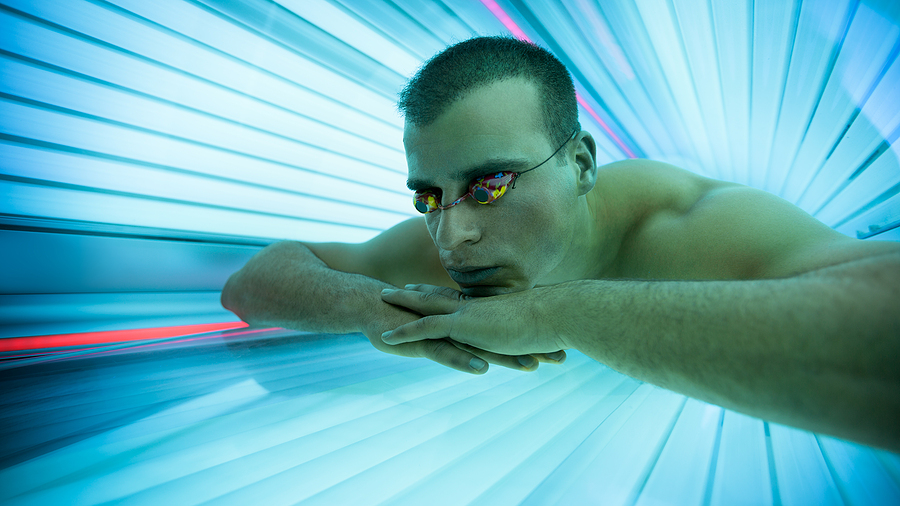
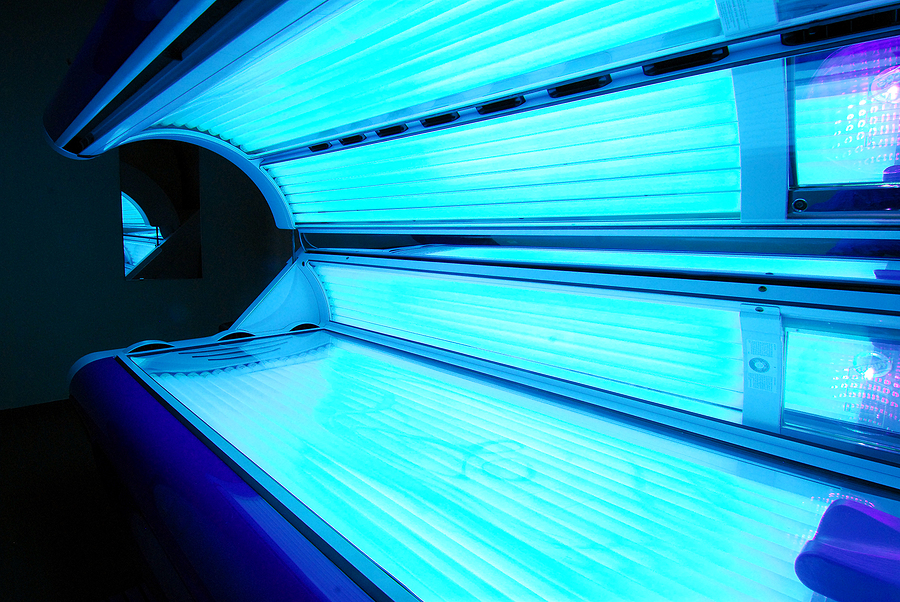
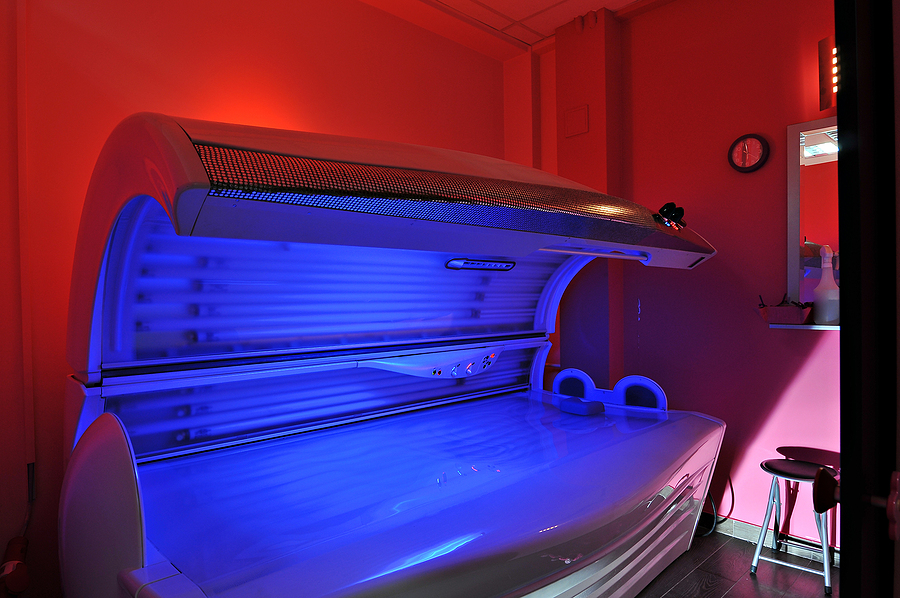
Tanning beds offer a unique environment for brief meditation: a warm, enclosed space with minimal distractions and a predetermined time limit.

Most tanning sessions last between 5 and 15 minutes, making them an ideal timeframe for focused breathing exercises or mantra repetition. The warmth can help your muscles relax, while the quiet environment allows you to turn inward without external interruptions.

However, the heat and enclosed nature of tanning beds require adapted techniques. You’ll want to focus on practices that keep you calm without raising your body temperature further or causing you to lose track of time.

Understanding your body’s response to warmth is essential. Some people find heat naturally relaxing, while others may feel restless. Start with shorter sessions and simpler techniques until you know what works best for you.

Top 3 Meditation Mantras for Tanning Success

Simple, repetitive phrases help anchor your attention during your tanning session. Choose one that resonates with your intention for the day.

1. “I am calm and present”

This mantra keeps you grounded in the moment. Repeat it slowly with each breath—inhale on “I am calm,” exhale on “and present.” The simplicity prevents your mind from wandering while acknowledging your current state.

2. “Warmth flows through me”

This phrase helps you stay connected to the physical sensation of heat without resistance. Rather than fighting the temperature, you accept it as part of the experience. Repeat it in rhythm with your natural breathing pattern.

3. “I release tension with each breath”

Focusing on release rather than acquisition can be particularly effective in confined spaces. As you exhale, imagine stress leaving your body. This mantra pairs well with progressive muscle relaxation, where you systematically release tension from different muscle groups.

Keep your chosen mantra consistent throughout your session. Switching between phrases can distract from the calming effect you’re trying to achieve.

Breathing Techniques for Warm Environments

Controlled breathing exercises can significantly reduce anxiety and help regulate your body’s response to warmth.

Cyclic Sighing

Stanford Medicine researchers found that just five minutes of controlled breathing exercises can reduce overall anxiety and improve mood. Cyclic sighing emphasizes long exhalations, which activate your parasympathetic nervous system and promote calmness.

Here’s how to practice it during your tanning session:

  1. Breathe in slowly through your nose, filling your lungs comfortably
  2. Take a second, deeper breath to expand your lungs fully
  3. Exhale very slowly through your mouth until all air is released
  4. Pause briefly before beginning the next cycle

This technique naturally slows your breathing rate, creating a lasting sense of calm that extends beyond your tanning session.

Box Breathing

Also known as square breathing, this method creates an even rhythm that’s easy to maintain:

  1. Inhale through your nose for a count of four
  2. Hold your breath for four counts
  3. Exhale through your mouth for four counts
  4. Hold empty for four counts
  5. Repeat

The equal timing creates a meditative rhythm that helps prevent your mind from wandering. Adjust the count to three or five if four feels uncomfortable in the warm environment.

Nasal Breathing

Breathing exclusively through your nose can help regulate body temperature and filter the air more effectively. It also naturally slows your breath rate compared to mouth breathing, which promotes relaxation.

If you find yourself feeling too warm, slow your breathing rate rather than breathing more rapidly, which can increase feelings of anxiety.

Visualization Exercises for Your Session

Mental imagery can transport you beyond the physical confines of the tanning bed, creating a more enjoyable experience.

Ocean Waves

Imagine yourself lying on a warm beach. With each breath, visualize gentle waves rolling in and out. The warmth of the tanning bed becomes the sun on your skin. The hum of the equipment transforms into distant ocean sounds. This visualization pairs naturally with the physical sensations you’re already experiencing.

Golden Light

Picture a warm, golden light slowly filling your body from your toes to the crown of your head. As it moves upward, it dissolves any tension or discomfort. This exercise helps you stay connected to your body while creating a positive association with the warmth around you.

Forest Bath

Envision yourself in a sun-dappled forest clearing. Warm light filters through the leaves above you. The temperature is comfortable, and you feel completely at peace. This visualization can be particularly helpful if you feel any claustrophobia, as it mentally expands your space.

Keep your visualizations simple and sensory-focused. Complex scenarios require too much mental effort and can increase rather than decrease stress.

Benefits of Combining UV Light and Mindfulness

Call 317-257-8262 to Learn About Our Tanning Beds in Broad Ripple Indiana

Pairing mindfulness practices with your tanning routine can enhance the overall experience and help you stay within safe time limits. The warm environment of a tanning bed naturally encourages physical relaxation.

Adding intentional breathing and mental focus transforms a routine cosmetic appointment into a brief wellness practice. Many people report feeling more refreshed after combining these elements than from tanning alone.

Frequently Asked Questions

Is it safe to meditate in a tanning bed?

Meditation itself is safe, but tanning beds carry serious health risks including skin cancer, premature aging, and eye damage. Always wear FDA-approved protective eyewear during your session, follow facility time limits strictly, and never exceed recommended exposure times. If you feel overheated, dizzy, or uncomfortable, end your session immediately.

How long should I meditate during tanning?

Limit your practice to the duration of your prescribed tanning session, typically 5-15 minutes. Never extend your tanning time to continue meditating. Set a timer as a backup to the bed’s automatic shutoff, and check in with your body regularly throughout the session.

Can breathing exercises make me too relaxed and lose track of time?

This is a valid concern. Choose alerting techniques rather than deeply sedating ones. Cyclic sighing and box breathing keep you present without inducing sleepiness. Avoid body scan meditations that might cause you to drift off. Keep part of your awareness on physical sensations so you remain conscious of time passing.

What if I feel claustrophobic?

Claustrophobia can interfere with relaxation. Keep the tanning bed partially open if the facility allows it, or practice visualization exercises that mentally expand your space. If anxiety persists, tanning beds may not be the right environment for your meditation practice.

Should I use guided meditation audio during my session?

Most tanning facilities don’t allow headphones due to safety and equipment concerns. Additionally, the bed’s cooling fans create background noise that can interfere with audio. Stick with silent practices like mantra repetition or breathing techniques that don’t require external guidance.

Quick Recap:

  • Tanning beds provide 5-15 minutes of quiet time suitable for brief meditation
  • Simple mantras like “I am calm and present” help anchor your attention
  • Cyclic sighing—emphasizing long exhalations—can reduce anxiety in just five minutes
  • Visualization exercises transform the tanning experience into a mental retreat
  • Always prioritize safety: wear protective eyewear, follow time limits, and stop if uncomfortable
  • Mindfulness can help you stay aware of your body’s signals and time limits

Make Every Session Count

Transforming your tanning routine into a mindful practice can help you maximize the relaxation potential of those brief sessions. While meditation won’t eliminate the health risks associated with UV exposure, it can make your experience more intentional and help you stay within safe boundaries.

Ready to experience quality indoor tanning in Broad Ripple, Indiana? Enjoy the best packages and the latest tanning bed technologies designed for your comfort and safety. Visit us today to learn more about responsible tanning practices and find the right session length for your needs.

View Our Tanning Options

Related Post: 10 Tips on Making the Most of Your Tanning Bed Sleep Sessions

Ultimate Guide to Indoor Tanning: Tips and Techniques

TL;DR: Achieve a safe, glowing tan by prepping your skin, using the right lotions, and following professional timing guidelines.

Key Takeaways:

  • Exfoliate before your session for even results.
  • Always use indoor-specific tanning lotions.
  • Wear protective eyewear to prevent UV damage.
  • Moisturize daily to extend the life of your tan.

Table of Contents:

  1. How Should You Prepare Your Skin for Tanning?
  2. What Are the Benefits of Indoor Tanning Lotions?
  3. How Do You Choose the Right Tanning Bed?
  4. What Safety Precautions Should You Follow?
  5. How Can You Maintain Your Tan Longer?
  6. FAQ Section
  7. Quick Recap

Getting that perfect sun-kissed look shouldn’t be a guessing game. Whether you are prepping for a vacation, a special event, or just want to add a little color to your complexion during the winter months, indoor tanning offers a controlled environment to achieve your goals.

However, the key to a beautiful tan isn’t just showing up; it’s about preparation, safety, and aftercare. From understanding how UV rays interact with your skin type to selecting the right equipment, being informed is your best defense against burns and uneven color. This guide will walk you through every step of the process so you can tan smartly and safely.

Call 317-257-8262 for Luxury Tanning Deals in Broad Ripple Indianapolis

How Should You Prepare Your Skin for Tanning?

Proper preparation involves exfoliating 24 hours in advance and ensuring your skin is free of perfumes, deodorants, and makeup.

Think of your skin as a canvas. If the canvas is rough or dirty, the paint won’t apply evenly. The same logic applies to tanning. The most crucial step in preparation is exfoliation. By removing dead skin cells about 24 hours before your appointment, you ensure that the UV light penetrates fresh, healthy skin cells. This not only makes your tan look more even but also helps it last significantly longer.

On the day of your session, you need to arrive with a clean slate. Avoid wearing heavy perfumes, oil-based cosmetics, or deodorants. Many of these products contain ingredients that can react negatively to UV light, potentially leading to irritation, rashes, or white spots where the product blocked the rays. If you are coming from work or the gym, bring makeup remover wipes to clean your face and neck thoroughly before entering the tanning bed.

What Are the Benefits of Indoor Tanning Lotions?

Indoor lotions hydrate the skin, accelerate the tanning process, and are specifically formulated not to damage tanning bed acrylics.

You might be tempted to use your regular outdoor sunscreen or a drugstore moisturizer, but this is a major mistake. Outdoor lotions often contain oils (like mineral oil) that can ruin the acrylic surface of a tanning bed. This acrylic is expensive to replace, and salon owners strictly prohibit non-approved lotions for this reason.

Beyond protecting the equipment, indoor tanning lotions are scientifically designed to maximize your results. Dry skin reflects UV light, which means you are wasting your session time if your skin isn’t hydrated. Indoor lotions provide intense moisture that allows your pores to absorb UV rays more efficiently. Many also contain “accelerators” or “bronzers”—ingredients like L-tyrosine that stimulate melanin production faster than UV light alone. This means you can achieve a darker color in a shorter amount of exposure time, which is always the safer option for your skin.

How Do You Choose the Right Tanning Bed?

Selection depends on your base tan level and goals, ranging from low-pressure builds to high-pressure bronzing beds. Not all tanning beds are created equal, and knowing the difference can drastically change your results. Most salons offer levels of equipment that vary by lamp type and UV output.

  • Low-Pressure Beds (Level 1-2): These beds use traditional fluorescent bulbs that emit a balanced mix of UVA and UVB rays. UVB rays are responsible for stimulating melanin production (the pigment in your skin) but are also more likely to cause sunburn if you aren’t careful. These beds are excellent for building a “base tan” if you are starting from scratch.
  • High-Pressure Beds (Level 3-5): These units use quartz lamps and specialized filters to block out most UVB rays, delivering primarily UVA light. UVA rays oxidize the melanin you already have, turning it brown. These beds are perfect for deepening an existing tan and offer longer-lasting results, often requiring fewer visits to maintain.

If you are new to tanning, consult the salon staff. They can assess your skin type and recommend a schedule that starts with lower intensity to prevent burning.

What Safety Precautions Should You Follow?

You must wear FDA-compliant goggles, adhere to recommended exposure times, and allow 48 hours between sessions. Safety is non-negotiable when dealing with UV exposure. The most common mistake new tanners make is closing their eyes or using a towel instead of wearing protective eyewear. Your eyelids are incredibly thin and do not block UV rays effectively. Without FDA-compliant goggles, you risk long-term eye damage, including cataracts, photokeratitis (sunburn of the cornea), and night vision loss.

Secondly, respect the timer. The FDA and salon professionals set exposure limits based on your skin type to prevent injury. Never try to push for the maximum time on your first visit. Sunburn takes 6 to 48 hours to fully develop, so you won’t know you’ve overdone it until it’s too late.

Finally, patience is key. You should allow at least 24 to 48 hours between sessions. This resting period gives your skin time to produce melanin and recover from the UV exposure. Tanning too frequently doesn’t make you darker faster; it simply increases your risk of skin damage and creates a dry, peeling look.

How Can You Maintain Your Tan Longer?

Maintenance requires consistent hydration through Tan Extender lotions and avoiding long, hot showers that strip skin oils. Once you have achieved your desired color, the goal shifts to keeping it. The lifespan of a tan is directly related to the lifecycle of your skin cells. As your skin naturally exfoliates, your tan fades. To slow this process down, hydration is your best friend.

Use a high-quality “Tan Extender” moisturizer daily, preferably after you shower. These lotions often contain small amounts of bronzer to replenish color and vitamins that keep skin healthy. Conversely, avoid taking long, scorching hot showers or using harsh soaps, as these strip the natural oils from your skin and accelerate exfoliation. Pat your skin dry gently with a towel rather than rubbing it vigorously.

FAQ Section

How long does a session last?

Session times vary depending on the equipment and your skin type. A standard low-pressure bed session might last anywhere from 10 to 20 minutes, while high-pressure beds often have shorter exposure times due to their intensity. Beginners typically start with just 5 to 8 minutes.

Can I tan if I have sensitive skin?

If you have very fair skin (Type I) that burns easily and never tans, indoor tanning is generally not recommended due to the high risk of skin damage. If you have sensitive but tannable skin, you must start with very short sessions and use lotions designed for sensitive skin (often labeled “hypoallergenic”). Always consult a dermatologist if you are unsure.

Why do I have white spots on my shoulder blades?

This is caused by pressure points. When you lie in the tanning bed, your body weight restricts blood flow to the areas pressing against the acrylic (usually shoulder blades and tailbone), which reduces oxygen. Melanin needs oxygen to darken. To fix this, simply shift your body position or lift your shoulders slightly a few times during your session.

Quick Recap:

  • Exfoliate and hydrate: Prep skin 24 hours prior and avoid makeup or perfumes on the day of your session.
  • Use professional lotions: Avoid outdoor oils that damage acrylics; opt for accelerators to maximize results.
  • Protect your eyes: Always wear FDA-compliant goggles to prevent long-term vision damage.

Conclusion

Indoor tanning can be a relaxing way to achieve a vibrant look, but it requires a commitment to safety and skin care. By preparing your skin properly, respecting exposure limits, and moisturizing diligently, you can enjoy a beautiful glow while minimizing risks. Remember, a great tan is a process, not a race.

Ready for a sun-kissed glow? Check out these terrific indoor tanning deals in Broad Ripple, Indiana, to start your journey today!

View Our Tanning Deals

Related Post: The Real Benefits of Indoor Tanning

New Year New You: Get Your Glow On With a Fresh Spray Tan

The start of a new year often brings a surge of motivation. We set resolutions, organize our homes, and look for ways to refresh our daily routines. After the indulgence of the holidays, many of us feel ready to hit the reset button—not just on our habits, but on how we feel in our own skin.

For many, the winter months can leave skin looking dull or pale, which sometimes impacts self-confidence. While we often associate a glowing complexion with summer vacations, you don’t need to wait for July to feel radiant. A fresh spray tan offers a safe, effective way to boost your mood and your look instantly. Unlike traditional sunbathing, which carries significant risks, a spray tan allows you to achieve that “just back from vacation” bronzed look without exposing your skin to harmful ultraviolet (UV) radiation.

If you are considering adding a glow to your list of New Year’s resolutions, it is essential to understand the process. From preparation to aftercare, knowing the steps ensures you get the best results while keeping your skin healthy.

Call 317-257-8262 to Hear All About Our Spray Tanning Booths in Broad Ripple Indiana

The Benefits of Spray Tanning: Why Choose It?

We all know that sunshine on your skin feels incredible, but too much can leave you with painful consequences and long-term damage. The primary advantage of spray tanning is that it provides a golden color without the need for UV exposure.

According to the Cleveland Clinic, the “healthy glow” people seek from tanning beds or sunbathing is actually evidence of skin damage. UV radiation accelerates skin aging, leading to wrinkles, dark spots, and a significantly higher risk of skin cancer. By opting for a spray tan, you bypass these dangers entirely.

The active ingredient in most sunless tanning products is dihydroxyacetone (DHA), a color additive derived from plant sources like sugar beets or sugar cane. When applied, DHA reacts with the amino acids in the outermost layer of your skin, creating a darkening effect that mimics a natural tan. This reaction is strictly surface-level, meaning the color fades naturally as your skin exfoliates over a week or so.

Beyond safety, spray tanning offers instant gratification. You can walk into a salon and leave minutes later with a noticeable confidence boost. It is also highly customizable; whether you want a subtle, sun-kissed hint of color or a deep, dramatic bronze, modern formulations can be tailored to your specific skin tone and preferences.

Preparing for Your Spray Tan: The Ultimate Guide

Achieving a flawless, streak-free tan starts long before you step into the booth. Proper preparation is the single most important factor in how your tan develops and how long it lasts. Because DHA adheres to the top layer of your skin, you want that canvas to be as smooth and clean as possible.

Exfoliate Strategically

Ideally, you should exfoliate your skin 24 hours before your appointment. This removes dead skin cells and ensures the tanning solution absorbs evenly. Focus on dryer areas where skin tends to be rougher, such as elbows, knees, ankles, and hands. These areas absorb more solution and can turn darker than the rest of your body if not properly prepped.

Hair Removal

If you plan to shave or wax, do so at least 24 hours prior to your session. Shaving too close to your appointment can leave pores open, which might result in tiny dark dots where the solution settles. Giving your skin time to recover ensures a smoother application.

The “Clean Skin” Rule

On the day of your appointment, your skin should be completely free of barriers. This means:

  • No lotions or oils: Moisturizers create a barrier that prevents the DHA from reacting with your skin, leading to a patchy or light tan.
  • No deodorant: Deodorant can react with tanning solution and turn your underarms a strange shade of green.
  • No makeup: Come with a fresh, clean face to ensure even coverage.

Dress for Success

What you wear to the salon matters. Opt for dark, loose-fitting clothing and open-toed sandals if the weather permits. Tight straps, bras, or skinny jeans can rub against the fresh tan and create lines or uneven spots before the color has set.

Check Out Our Automated Spray Tanning Booths in Broad Ripple!

What to Expect During Your Spray Tan Session

If you have never had a spray tan, the process might feel a little intimidating, but it is generally quick and straightforward. You will typically have the choice between an automated spray tanning booth or a handheld airbrush session administered by a technician.

Safety Precautions

While the FDA permits DHA for external application, it advises that consumers protect their eyes, lips, and mucous membranes, and avoid inhaling the spray. Reputable tanning salons will provide protective accessories to help you follow these guidelines, including:

  • Protective eyewear: To keep the mist out of your eyes.
  • Nose filters: To prevent inhalation of the spray.
  • Lip balm: To create a barrier on your lips.
  • Undergarments: Many people choose to wear disposable undergarments provided by the salon or an old swimsuit to minimize exposure to sensitive areas.

During the session, you will be guided to stand in specific positions to ensure the mist covers your body evenly. The solution often contains a cosmetic bronzer—a temporary color that helps the technician see where they have sprayed. This washes off in your first shower, revealing the actual developed tan underneath.

Aftercare: Maintaining Your Spray Tan

Once your session is complete, the “development” phase begins. This is when the DHA is actively working with your skin cells. To ensure the best results, you need to be gentle with your skin for the next few hours.

The Waiting Game

Avoid water, sweat, and moisture for at least 4 to 8 hours after your appointment. This means no gym sessions, no doing dishes, and definitely no rain. If you get wet during this window, it can stop the development process and leave water spots.

The First Rinse

When it is time for your first shower, keep it lukewarm and gentle. You will see brown water washing down the drain—don’t panic! This is just the cosmetic bronzer guide color washing off. Your actual tan is on your skin. Avoid using harsh soaps or scrubbing heavily during this first rinse. Pat your skin dry with a towel rather than rubbing.

Hydrate, Hydrate, Hydrate

The key to a long-lasting tan is hydration. Dry skin exfoliates faster, taking your tan with it. Moisturize your skin daily, but choose your lotion carefully. Oil-based moisturizers can break down the tan prematurely. Look for simple, oil-free lotions designed for sensitive skin or specifically for sunless tans.

Choosing the Right Shade and Salon

It can be tempting to go for the darkest shade available, especially in the dead of winter, but natural results are usually the most flattering. If you have fair skin, a medium or “sun-kissed” level will look radiant and healthy, whereas a deep bronze might look artificial.

When selecting a salon, look for professionalism and cleanliness. A good indoor tanning salon will be transparent about their safety measures and will offer protective gear like nose filters and eyewear. Don’t hesitate to ask the staff for their recommendation on shade—they are experts in matching skin tones and can help you avoid the dreaded “orange” look.

Debunking Common Spray Tan Myths

Despite the popularity of spray tanning, several myths persist that can make newcomers hesitate. Let’s clear up the confusion with facts.

Myth 1: You Will Turn Orange

The “orange” look is largely a relic of the past. It was often caused by excessive DHA concentrations or poor-quality formulations. Modern tanning solutions are much more sophisticated and are pH-balanced to work with your natural skin tone. Turning orange is usually a result of over-application or choosing a shade that is too dark for your complexion.

Myth 2: A Spray Tan Protects You From the Sun

This is perhaps the most dangerous myth. A spray tan provides absolutely no protection against UV rays. It is essentially a cosmetic dye. The FDA explicitly requires tanning products without sunscreen to carry a warning statement: “Warning—This product does not contain a sunscreen and does not protect against sunburn. Repeated exposure of unprotected skin while tanning may increase the risk of skin aging, skin cancer, and other harmful effects to the skin even if you do not burn.”

You must continue to wear broad-spectrum sunscreen every day, even if your skin looks dark and tanned.

Myth 3: Spray Tans Are Streaky

Streaks are rarely the fault of the product itself; they are almost always caused by user error during preparation or aftercare. If you exfoliate properly and wear loose clothing afterward, your tan should be smooth and even.

Embrace the New Year with Confidence

Prioritizing yourself is the perfect way to begin the year. A spray tan offers a simple, safe way to enhance your appearance and lift your spirits during the colder months. By understanding the science behind the process and following the correct preparation and aftercare steps, you can enjoy a beautiful glow without compromising your skin’s health.

Whether you are preparing for a special event or simply want to feel more vibrant in your day-to-day life, taking care of your skin is a commitment worth keeping.

If you are ready to get your glow on, visit Broad Ripple Tans in Indianapolis. With top-tier automated spray tanning booths and a commitment to safety and quality, they offer the best deals in town to help you start your year shining bright.

View Our Spray Tanning Deals

Related Post: Unlock the Beauty and Benefits of Spray Tanning

National Winter Skin Relief Day: Your Guide to Glowing Through the Cold

As the festive lights come down and the reality of January settles in, you might notice something changing—and it isn’t just your calendar. The crisp air turns biting, the wind feels sharper, and your skin, once glowing from summer warmth, might start to feel tight, itchy, or dull. It’s no coincidence that National Winter Skin Relief Day falls on January 8, right as winter kicks into high gear. This day serves as a timely reminder that while the temperatures outside are dropping, your skincare routine needs to step up.

For many, winter is synonymous with dry, flaky, and uncomfortable skin. The combination of low humidity outdoors and artificial heating indoors creates a perfect storm that strips moisture from your protective barrier. But you don’t have to resign yourself to months of discomfort. By understanding what your skin is going through and adjusting your daily habits, you can maintain a healthy, hydrated complexion all season long.

In this guide, we will explore why your skin reacts this way to the cold and provide actionable strategies to bring relief back to your routine.

National Winter Skin Relief Day

Understanding Winter Skin Issues

To effectively treat winter skin, you first need to understand the biological battle happening on the surface. Your skin has a natural barrier designed to retain moisture and protect against environmental aggressors. In the winter, the environment becomes hostile to this barrier.

The primary culprit is a lack of moisture. Cold air holds less water vapor than warm air, leading to lower humidity levels. When you step outside, the dry air acts like a sponge, pulling moisture directly from your skin. To make matters worse, we retreat indoors to crank up the thermostat. Central heating systems, space heaters, and fireplaces further reduce indoor humidity, accelerating the drying process.

This environmental dehydration often manifests as:

  • Xerosis (Dry Skin): Rough, scaly patches that may flake off.
  • Winter Itch: A persistent, prickling sensation caused by dry nerve endings.
  • Chapped Lips: The thin skin on your lips has fewer oil glands, making them susceptible to cracking and bleeding.
  • Redness and Sensitivity: A compromised barrier lets irritants in more easily, leading to inflammation.

The Importance of Winter Skincare

Ignoring these symptoms isn’t just about vanity; it’s about health. Your skin is your body’s first line of defense against infection. When it becomes dry and cracked, that barrier is broken, allowing bacteria and other pathogens to enter more easily.

Furthermore, chronic inflammation caused by dryness can accelerate the aging process. Dehydrated skin highlights fine lines and wrinkles, making them appear deeper than they actually are. Addressing these issues proactively doesn’t just make you feel more comfortable—it preserves the long-term integrity and elasticity of your skin. A robust winter skincare routine reinforces the lipid barrier, ensuring your skin remains resilient regardless of the forecast.

Proven Tips for Winter Skin Relief

Transforming your winter skin doesn’t always require a complete overhaul of your products. Often, small adjustments to how you care for your skin make the biggest difference.

Master the Art of Moisturizing

Moisturizing is the cornerstone of winter skin relief, but timing is everything. The most effective time to apply lotion is immediately after washing, while your skin is still damp. This technique seals in the water sitting on your skin before it evaporates.

Look for “occlusive” ingredients like petrolatum, shea butter, or mineral oil, which create a physical seal over the skin. Pair these with “humectants” like hyaluronic acid or glycerin, which draw moisture into the skin. If your standard lotion feels too light, switch to a cream or ointment. These formulations have a higher oil-to-water ratio and provide a heavier protective layer against the cold.

Embrace the Humidifier

Since indoor heating is a major cause of dryness, adding moisture back into the air is a simple yet effective fix. Running a humidifier in the rooms you spend the most time in—especially your bedroom while you sleep—can prevent your skin from drying out overnight. Aim for an indoor humidity level of roughly 30% to 50%. This small appliance works passively to keep your mucous membranes and skin hydrated.

Rethink Your Cleansing Routine

It is tempting to stand under a scalding hot shower to thaw out after a freezing commute, but hot water is an enemy to winter skin. It strips away natural oils (sebum) faster than lukewarm water. Limit your showers to 5-10 minutes and keep the water temperature warm, not hot.

Additionally, evaluate your body wash and face cleanser. Foaming cleansers that leave your skin feeling “squeaky clean” are often too harsh for winter use because they have high pH levels. Switch to creamy, non-foaming cleansers that gently remove dirt without disrupting the skin’s acid mantle.

Check Out These Fantastic Tanning Deals in Broad Ripple!

Product Recommendations for the Season

When browsing the skincare aisle, look for labels that specifically address barrier repair and hydration. Here are a few categories to consider:

  • Ceramide-Rich Creams: Ceramides are lipids (fats) that are naturally found in high concentrations in the upper layers of your skin. They hold skin cells together. Products containing ceramides help replenish this “glue,” fixing cracks in the barrier.
  • Facial Oils: Adding a few drops of jojoba, rosehip, or marula oil to your night cream can provide an extra layer of nourishment.
  • Gentle Exfoliants: While it seems counterintuitive, you do need to exfoliate dry skin to allow moisturizers to penetrate. However, avoid harsh physical scrubs. Opt for mild chemical exfoliants like lactic acid, which hydrates while it removes dead skin cells.
  • Lip Balms with SPF: Your lips need protection from both the wind and the sun. Choose a balm with beeswax or lanolin to seal in moisture, and ensure it has SPF protection.

Simple DIY Remedies

You can also find relief using ingredients likely already in your kitchen pantry. These home remedies can be soothing additions to your routine:

  • Oatmeal Baths: Colloidal oatmeal (finely ground oats) has anti-inflammatory properties that soothe itchy, irritated skin. Add a cup to a lukewarm bath and soak for 10-15 minutes.
  • Honey Masks: Raw honey is a natural humectant and has antimicrobial properties. Applying a thin layer to dry patches on your face or hands for 20 minutes can boost hydration and reduce redness.
  • Coconut Oil Treatments: For extremely dry areas like elbows and heels, virgin coconut oil can be a heavy-duty moisturizer. Apply it before bed and cover the area (with socks or long sleeves) to let it soak in overnight.

Debunking Winter Skincare Myths

To truly care for your skin, we must clear up some common misconceptions that might be holding you back.

Myth 1: You don’t need sunscreen in the winter.

False. UV rays can penetrate clouds and fog. In fact, snow reflects up to 80% of the sun’s UV light, significantly increasing your risk of exposure. Sunscreen is a 365-day necessity, particularly on your face and hands.

Myth 2: Drinking water cures dry skin.

While hydration is vital for overall health, drinking water doesn’t immediately translate to hydrated skin. The water you drink goes to your internal organs first. You still need topical moisturizers to address surface dryness.

Myth 3: Oily skin doesn’t need moisturizer in winter.

Even oily skin can become dehydrated (lacking water, not oil). When this happens, your skin may overcompensate by producing more oil, leading to breakouts. Use a lightweight, oil-free moisturizer to keep hydration levels balanced.

Warm Up and Revitalize This Winter

National Winter Skin Relief Day is more than just a date on the calendar; it is a prompt to listen to your body and provide the nourishment it craves. By modifying your shower habits, investing in richer creams, and protecting your skin barrier, you can navigate the coldest months without the discomfort of dry, itchy skin. Winter may be harsh, but with the right care, your skin can remain soft, resilient, and healthy.

Sometimes, the best remedy for the winter blues—and the winter chills—is a little bit of manufactured sunshine. If you are looking to escape the gray skies and warm your skin, consider booking a session with us.

Take a break from the harsh winter elements and enjoy a luxury tanning session at Broad Ripple Tans. It’s the perfect way to relax, warm up, and add a healthy glow to your winter complexion.

View Our Tanning Packages

Related Post: Winter Dry Skin Remedies: Your Complete Guide to Hydrated, Healthy Skin

Master the Glow: Your Guide to the California Contour Tanning Shield

Achieving a golden, sun-kissed complexion is a confidence booster for many, but it often comes with a significant trade-off: the health of your facial skin. Your face is far more delicate than the rest of your body, making it susceptible to premature aging, fine lines, and sun damage when exposed to intense UV rays. For years, indoor tanners have struggled to find a balance between getting that perfect glow and protecting their most sensitive features.

Enter the California Contour Tanning Shield Face Mask. This innovative tool changes the way we approach indoor tanning by offering a solution that doesn’t force you to choose between a tan and skin health. It allows you to maintain a robust tanning routine while safeguarding the delicate T-zone, ensuring you leave the salon looking radiant, not red.

If you are tired of draping towels over your face or dealing with uneven tan lines from traditional goggles, understanding how this shield works could revolutionize your beauty regimen.

Call 317-257-8262 to Learn About Our California Contour Face Masks in Broad Ripple Indiana
Call 317-257-8262 to Learn About Our California Contour Face Masks at Our Broad Ripple Tanning Salon

What is the California Contour Tanning Shield?

The California Contour Tanning Shield is a specialized facial mask designed for use in UV tanning beds and spray tan booths. Unlike standard eye protection which covers only the eyes, this shield covers the “T-zone”—the eyes, nose, and cheekbones—where skin is thinnest and most prone to burning and wrinkling.

The genius of the design lies in its “hover” technology. The mask is engineered to sit slightly off the face, casting a soft shadow rather than pressing tight against the skin like a sticker. This distance allows UV rays or spray mist to feather naturally around the edges, creating a seamless gradient. The result is a natural-looking contour that highlights your cheekbones and jawline while keeping the sensitive center of your face protected from direct, harsh exposure.

Key Features and Benefits

The California Contour V2 is more than just a plastic mask; it is a sophisticated piece of tanning equipment built with user experience in mind. Here are the standout features that make it a favorite among skincare-conscious tanners:

Zero Tan Lines

The primary fear when using facial protection is the dreaded “raccoon eye” or harsh demarcation lines. Because the California Contour mask hovers rather than sticks, it blurs the light’s shadow. This creates a flawless blend between the protected T-zone and the tanned outer face, eliminating sharp tan lines.

Deep Lashfit Goggles

For those with eyelash extensions, traditional goggles can be a nightmare, often crushing or crimping expensive lashes. The California Contour features integrated, deep-set goggles designed specifically to accommodate long lashes without damaging them.

Universal Compatibility

Whether you prefer a lay-down luxury bed or a high-pressure stand-up booth, this shield works for you. It includes an optional thin strap that keeps the mask secure during vertical tanning sessions without interfering with the tan on the side of your face.

Protection Meets Contouring

By filtering UV rays away from the center of the face and allowing full exposure to the jawline and outer cheeks, the mask naturally sculpts your face with light. This creates a slimming, contoured effect similar to makeup, but with your natural tan.

Learn Why These Masks are a Superior Beauty Aid

How to Use the Tanning Shield Face Mask

Using the shield correctly is essential for achieving that seamless, contoured look. Follow these steps to ensure you are fully protected and perfectly tanned.

  1. Cleanse Your Skin: Before your session, ensure your face is free of heavy makeup, oils, or barriers that might cause the mask to slip. A fresh face ensures the best fit.
  2. Adjust for Comfort: Use the adjustable nose grips to ensure the mask sits comfortably on the bridge of your nose. It should feel snug enough to stay put but not tight enough to leave pressure marks.
  3. Position the Mask: Place the shield over your face. If you are in a lay-down bed, you can simply rest it on your face. If you are using a stand-up booth, secure it with the provided elastic string.
  4. Check the Edges: Ensure the edges of the mask are hovering correctly and not digging into your skin. This “float” is what prevents hard lines.
  5. Start Slow: If you are new to using the shield, start with shorter tanning intervals (8-12 minutes) to see how your exposed skin reacts to the new contrast.

Expert Tips for Achieving the Best Tan

To truly master the art of the contour tan, consider these tips from tanning professionals:

  • Hydrate the Exposed Areas: While the mask protects your T-zone, the rest of your face is still receiving UV exposure. Apply a high-quality facial tanning lotion to your jawline, neck, and ears to ensure these areas develop a rich, dark color that contrasts beautifully with your protected center face.
  • Rotate Your Head: To ensure the “blurring” effect works perfectly, slightly tilt your chin up or rotate your head occasionally during your session. This helps the light wrap around the shield’s edges for an even softer gradient.
  • Maintenance Matters: Your shield is a hygiene product. After every session, rinse it with warm water and mild soap to remove sweat and lotion residue. Weekly deep cleaning will keep the materials in top condition and prevent skin breakouts.

Comparing California Contour to Other Methods

Many tanners try DIY methods to protect their faces, but they often fall short compared to a dedicated tool.

  • Towels: Throwing a towel over your face blocks 100% of the UV rays, which protects you but leaves you with a completely pale face that doesn’t match your body. It also stifles your skin and can feel claustrophobic.
  • Traditional Goggles: Small goggles protect your eyes but leave your nose and delicate under-eye skin exposed to burning. They also frequently leave distinct white circles around the eyes.
  • Sunscreen Only: While SPF is crucial outdoors, using heavy sunblock in a tanning bed can block the tanning process unevenly and clog pores, leading to breakouts.

The California Contour offers a middle ground: it filters and contours rather than just blocking or exposing, providing a sophisticated result that DIY methods cannot match.

Addressing Concerns and Common Myths

Myth: “I won’t get any tan on my face at all.”
Reality: The mask creates a contour, not a total blackout. Your jawline, hairline, and outer cheeks will still tan beautifully. The protected area remains your natural skin tone (or a lighter tan), which creates a highlighting effect that many people pay makeup artists to replicate.

Concern: “It looks complicated to use.”
Reality: It is as simple as putting on a pair of sunglasses. Once you have adjusted the nose piece to your liking, it takes seconds to apply before your session.

Myth: “It will leave a line on my forehead.”
Reality: The “floating” design prevents this. As long as the mask is not pressed tightly against the skin with excessive pressure, the shadow cast by the UV light is soft and diffuse, leaving no hard lines.

Frequently Asked Questions

Does this mask fit all face shapes?

Yes, the California Contour is designed with a universal fit in mind. The adjustable nose grips and the open design allow it to accommodate various face shapes and sizes comfortably.

Can I use this for spray tanning?

Absolutely. The shield is excellent for spray tanning as it prevents the solution from settling into fine lines around the eyes and nose, and it keeps you from inhaling the mist.

How often do I need to replace it?

With proper care and regular cleaning, a California Contour shield is durable and can last for many years, making it a cost-effective investment compared to disposable stickers.

Is the California Contour Right for You?

If you value the longevity of your skin but love the confidence of a tan, the California Contour Tanning Shield is an essential addition to your beauty bag. It bridges the gap between safety and aesthetics, allowing you to enjoy the warmth of the bed without worrying about future wrinkles or sunspots on your most visible feature. By protecting the T-zone and sculpting the face with light, it offers a smarter, healthier way to glow.

For those in the Indianapolis area ready to upgrade their tanning experience, you don’t have to look far. You can purchase your own California Contour Tanning Shield directly at Broad Ripple Tans in Broad Ripple, Indianapolis, Indiana. Stop by today to protect your glow and your skin.

Call Now to Learn More

Related Post: Essential Tips for Using the California Contour Tanning Shield

Your First Trip to the Tanning Salon: A Beginner’s Guide

Walking into a tanning salon for the first time can feel a little intimidating. You might be picturing complex machinery, confusing lotions, or worrying about emerging looking more “orange” than “sun-kissed.” It is completely normal to have a few butterflies before trying something new, especially when it involves your skin.

However, indoor tanning is a straightforward process once you know the ropes. Whether you are prepping for a vacation, getting ready for a special event, or just want to shake off the winter blues with a bit of glow, a little preparation goes a long way.

This guide will walk you through everything you need to know—from how to prep your skin to what actually happens inside the booth—so you can walk in with confidence and walk out with a radiance you love.

Call 317-257-8262 to Learn All About Our Tanning Salon in Broad Ripple

Preparing for Your Tanning Salon Visit

A great tan actually starts before you even step foot in the salon. How you prepare your skin determines how evenly you tan and how long that color lasts.

Exfoliate 24 Hours Before

Think of your skin like a canvas. If the canvas is rough and uneven, the paint won’t look right. The same applies to UV light and tanning lotions. Dead skin cells can block UV rays from penetrating the fresh skin underneath, leading to a patchy tan that fades quickly. Use a gentle scrub or an exfoliating mitt in the shower the day before your appointment to slough off dead skin.

Skip the heavy products

On the day of your appointment, arrive with clean skin. Avoid wearing heavy perfumes, oil-based moisturizers, or makeup. These barriers can block UV rays or, in some cases, cause uneven reactions to the light. If you are coming straight from work, many salons offer makeup removal wipes, but it is always best to start fresh if you can.

Dress for comfort

You might feel sticky or warm immediately after tanning. Tight jeans or leggings can rub against your skin and potentially streak your developing tan or just feel uncomfortable. Opt for loose, dark clothing. Darker fabrics are safer just in case any bronzing lotion transfers onto your clothes.

Hydrate

Healthy, hydrated skin tans better than dry skin. Drink plenty of water leading up to your appointment. While you shouldn’t wear heavy oil-based lotion immediately before tanning, keeping your skin moisturized in the days leading up to your visit is crucial for a lasting glow.

What to Expect: The Step-by-Step Process

So, you have arrived at the salon. What happens next? Here is a typical walk-through of the experience.

1. The Consultation

The staff at the front desk are there to help you, not just check you in. Be honest about your skin type. Do you burn easily? Do you have a base tan already? They will assess your skin type (often using the Fitzpatrick scale) to determine the appropriate amount of time for your session. As a beginner, you will likely start with a short session—perhaps only 5 to 8 minutes—to prevent burning.

2. Choosing a Lotion

You will likely be asked if you have tanning lotion. Regular beach sunscreen or outdoor tanning oil is generally not allowed in tanning beds because it can damage the acrylic surfaces. You will need an indoor tanning lotion. These are formulated to maximize UV absorption and moisturize your skin simultaneously.

  • Accelerators/Intensifiers: Great for beginners. They help your skin produce melanin naturally.
  • Bronzers: These contain cosmetic color for an instant tint while your natural tan develops.
  • Tingles: These increase blood flow to the skin and can cause a burning or itching sensation. Avoid these for your first few visits until you are accustomed to the process.

3. Entering the Room

A staff member will lead you to a private room. Once the door is locked, you are in control.

  • Undress to your comfort level: Most people tan in their underwear or swimsuit to minimize tan lines, while others choose to go nude. The choice is entirely yours.
  • Protect your eyes: This is non-negotiable. You must wear FDA-approved protective eyewear (goggles or “wink-ease” stickers). Closing your eyes or using a towel is not enough to block UV rays, which can damage your corneas over time.

4. The Session

Apply your lotion evenly over your body. Locate the start button on the bed or booth. Once you are ready, lie down (or stand up if it’s a stand-up booth) and pull the canopy down. The lights will turn on, and fans usually kick in to keep you cool. Relax! If you feel too hot or uncomfortable at any point, simply exit the bed or hit the stop button.

Enhance Your Tan With These Safe & Effective Tips

Aftercare Tips: Keeping the Glow

You have completed your session. Now, the goal is to keep that color looking fresh for as long as possible.

Wait to shower

If you used a bronzing lotion, you typically need to wait 2 to 4 hours before showering to allow the color to fully set. If you used a standard intensifier, you can shower sooner, but giving your skin time to absorb the product is usually beneficial.

Moisturize, Moisturize, Moisturize

This is the golden rule of tanning. UV exposure can dry out your skin. Dry skin exfoliates faster, which means your tan will fade faster. Use a high-quality daily moisturizer specifically designed for post-tan care, or a rich body butter, to lock in hydration.

Take it slow

Do not rush back the next day. It takes time for melanin production to happen. Most experts recommend waiting at least 24 to 48 hours between sessions. Tanning is a marathon, not a sprint; building a base tan gradually is the safest way to avoid burning.

Debunking Common Myths

There is a lot of misinformation out there about indoor tanning. Let’s clear up a few common misconceptions.

Myth 1: “I need to burn first to get a tan.”
Fact: Absolutely not. Sunburn is skin damage. It involves redness, peeling, and pain. A tan is the skin’s protective reaction to UV exposure. If you burn, you have overexposed your skin. The goal of indoor tanning is to stimulate melanin without burning.

Myth 2: “Indoor tanning is safer than the sun because there are no burning rays.”
Fact: Tanning beds emit UVA and UVB rays, just like the sun. While the intensity and ratio might differ, UV exposure is still UV exposure. Moderation is key in both environments.

Myth 3: “I don’t need goggles if I close my eyes.”
Fact: Your eyelids are thin and offer very little protection against UV light. Long-term exposure without eye protection can lead to color blindness, night blindness, and even cataracts. Always wear your goggles.

Frequently Asked Questions

How long does a tan last?

A natural tan created through UV exposure typically lasts about 7 to 10 days before your skin naturally exfoliates the tanned layer. Consistent moisturizing can extend this.

Can I wear contact lenses?

It is generally recommended to remove contact lenses before tanning. The heat and fans in the bed can dry out your eyes, making contacts uncomfortable or difficult to remove later.

What if I am claustrophobic?

If small spaces bother you, ask the salon if they have stand-up booths. They are open at the top and offer more room to move around compared to lay-down beds.

How often should I go?

When building a base tan, you might go 2-3 times a week. Once you have achieved your desired color, 1-2 sessions a week is usually enough to maintain it.

Achieve Your Perfect Glow

Your first visit to a tanning salon doesn’t have to be stressful. By prepping your skin, communicating with the salon staff, and following proper aftercare, you can achieve a beautiful, even look safely and effectively. Remember, the key is moderation and patience. Don’t try to get a tropical vacation tan in a single 10-minute session. Build it up slowly, protect your eyes, and keep your skin hydrated.

Ready to start your journey toward a sun-kissed look? Visit Broad Ripple Tans today to explore the best tanning bed deals and amenities around. Our friendly staff is ready to help you navigate your first session with ease!

View Our Tanning Discounts

Related Post: 10 Tips to Maximize Your Indoor Tanning Experience
Red Light Therapy Beds: Unveiling the Benefits Beyond the Surface

You may have heard whispers about red light therapy in wellness circles or seen it offered at your local tanning salon. Its popularity is surging, and for good reason. From skin rejuvenation to pain relief, this non-invasive treatment is capturing the attention of health-conscious individuals and athletes alike.

This guide will illuminate what a red light therapy bed is, how it works, and the science-backed benefits it offers. We will also address common misconceptions and safety concerns, ensuring you have all the information needed to decide if this innovative therapy is right for you. By the end, you’ll understand why this treatment is becoming a staple for those seeking holistic wellness solutions.

Try Our Red Light Therapy Tanning Beds in Indianapolis!

How Does a Red Light Therapy Bed Work?

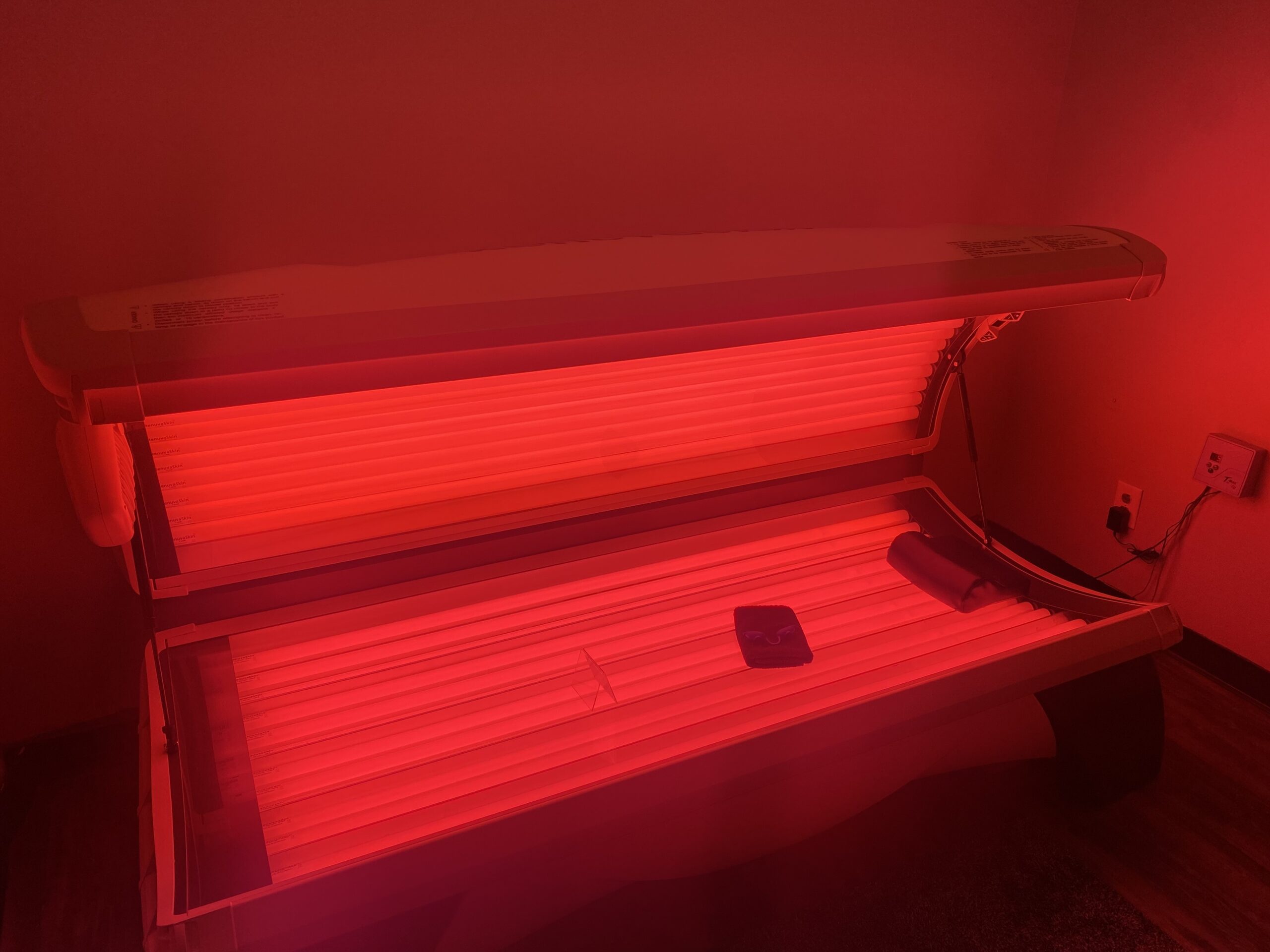
A red light therapy bed looks similar to a traditional tanning bed, but its function is entirely different. Instead of emitting ultraviolet (UV) rays that tan or burn the skin, these beds use low-level red and near-infrared light.

When you lie in a red light therapy bed, your body is exposed to specific wavelengths of light. These wavelengths penetrate the skin and are absorbed by your cells. This process energizes the mitochondria, the “powerhouses” of your cells, stimulating them to produce more adenosine triphosphate (ATP). ATP is the energy currency of the body, and an increase in its production can enhance cellular repair, regeneration, and overall function.

Think of it as giving your cells a gentle energy boost, helping them perform their natural functions more efficiently. This cellular-level activity is what drives the wide range of therapeutic benefits associated with red light therapy.

Key Benefits of Red Light Therapy

The applications of red light therapy are extensive, impacting everything from the surface of your skin to the muscles and joints beneath. The consistent use of a red light therapy bed can lead to significant improvements in several areas of your health and well-being.

Enhanced Skin Rejuvenation

One of the most celebrated red light therapy benefits is its effect on the skin. By stimulating collagen and elastin production, it helps improve skin tone, reduce fine lines and wrinkles, and promote a more youthful appearance. A study in the Journal of Cosmetic and Laser Therapy on “Photobiomodulation Therapy for Skin Rejuvenation” confirmed that red light therapy can significantly improve skin complexion and feeling. Regular sessions can help you achieve healthier, smoother, and more vibrant skin without invasive procedures.

Soothing Pain and Inflammation

For those dealing with chronic pain or muscle soreness, a red light therapy bed can offer substantial relief. The red and near-infrared light helps reduce inflammation and increase blood circulation, which accelerates the body’s natural healing processes.

Research published by the American Academy of Physical Medicine and Rehabilitation on “The Use of Low-Level Laser Therapy (LLLT) for Musculoskeletal Pain” supports its effectiveness in managing pain from conditions like arthritis and other joint issues.

Accelerated Muscle Recovery

Athletes and fitness enthusiasts are increasingly turning to red light therapy to speed up muscle recovery and enhance performance. The therapy helps reduce post-exercise inflammation and oxidative stress. According to a study in the Journal of Strength and Conditioning Research, red light therapy applied before or after exercise can mitigate muscle soreness and improve recovery times, allowing you to get back to your training routine faster.

View Our Indoor Tanning Bed Packages!

Debunking Common Myths about Red Light Therapy

As with any popular wellness trend, misconceptions can arise. It’s important to separate fact from fiction to understand what red light therapy truly offers.

Myth 1: Red light therapy is the same as UV tanning.

This is a critical distinction. Red light therapy tanning beds do not use UV light. The red light wavelengths are non-ionizing and do not cause tanning, burning, or skin damage. Unlike indoor tanning, which carries risks associated with UV exposure, red light therapy is a therapeutic treatment designed to heal and rejuvenate.

Myth 2: It’s only for cosmetic purposes.

While the skin benefits are impressive, they are only part of the story. Red light therapy provides significant therapeutic benefits, including pain relief, reduced inflammation, and faster muscle recovery. It is a holistic wellness tool that addresses both aesthetic concerns and physical well-being.

Myth 3: Red light therapy is unsafe.

When used correctly and with proper precautions, red light therapy is considered safe and non-invasive. The risks are minimal, especially compared to more aggressive treatments. Following safety guidelines, such as wearing eye protection, ensures a secure and positive experience.

Myth 4: It’s a one-time fix.

Results from red light therapy are cumulative. It is not a magical one-time solution. Consistent, regular sessions are necessary to achieve and maintain the desired benefits. Think of it as a workout for your cells—consistency is key.

Myth 5: It doesn’t actually work.

The efficacy of red light therapy is supported by a growing body of scientific research. Numerous peer-reviewed studies have demonstrated its positive effects on skin health, pain management, and muscle recovery, validating its use as a legitimate therapeutic modality.

How to Prepare for Your Red Light Therapy Session

To get the most out of your experience at Broad Ripple Tans, a little preparation goes a long way. Following these simple steps will help ensure your session is both safe and effective.

  • Start with shorter sessions: If you are new to red light therapy, begin with 5-10 minute sessions to see how your skin responds. You can gradually increase the duration as you become more comfortable.
  • Always wear protective eyewear: The light can be bright. We provide protective eyewear at our Indianapolis salon, and you must wear it during your session to prevent any potential eye strain or damage.
  • Cleanse your skin: Arrive with clean, dry skin. Remove all makeup, lotions, or creams, as they can block the light from penetrating effectively. It’s also best to remove jewelry.
  • Follow a recommended schedule: For the best results, we typically recommend sessions 3-5 times per week, especially when you are first starting. Our staff can help create a schedule tailored to your goals.
  • Stay hydrated: Drink plenty of water before and after your session to support your body’s cellular processes and detoxification.
  • Consult with our staff: The team at Broad Ripple Tans is here to help. We can answer your questions and provide personalized recommendations to help you achieve your wellness objectives.

Begin Your Path to Enhanced Wellness

Red light therapy offers a powerful, non-invasive way to improve your skin, manage pain, and accelerate recovery. By understanding how it works and what to expect, you can confidently incorporate this treatment into your wellness routine. The benefits of using a red light therapy bed are backed by science, offering a safe and effective path to looking and feeling your best.

Ready to experience the rejuvenating power of red light therapy for yourself? Visit Broad Ripple Tans in Indianapolis and let our expert team of indoor tanning consultants guide you.

Book Your Red Light Therapy Session

Related Post: Essential Tips for Using the California Contour Tanning Shield

Orange Spray Tan? How to Restore Your Natural Skin Tone

The goal of a spray tan is a sun-kissed, natural glow. Sometimes, however, the result is less bronze goddess and more…orange. This common tanning mishap can be frustrating, especially when you have an event on the horizon. An uneven application might leave streaks on your legs, or you might notice dark patches on your elbows and knees.

A bad spray tan can happen for many reasons, from improper skin prep to the formula itself. Understanding why your tan turned orange is the first step to fixing it and preventing it from happening again. This guide will walk you through immediate fixes, gentle exfoliation methods, and effective home remedies to correct an orange spray tan and restore your skin’s natural tone.

Call 317-257-8262 to Learn About Our Automated Spray Tan Beds in Broad Ripple Indiana

What to Do Right After Noticing the Mistake

Acting quickly is key to fixing a bad spray tan. The sooner you address the issue, the easier it will be to correct the color. Most self-tanning products contain dihydroxyacetone (DHA), an active ingredient that darkens the skin. This process takes several hours to fully develop. If you notice an uneven tone or an orange hue within the first few hours, you have a better chance of correcting it.

If you spot a problem right away, one of the first things you can do is take a warm shower. Use a gentle, oil-free soap and lightly wash the affected areas. Avoid harsh scrubbing, as this can make patchiness worse. The goal is to rinse off any excess product before it has a chance to fully set. A steam room or sauna can also be effective, as the heat and moisture open up your pores and help the tan fade more evenly.

Gentle Exfoliation Methods

Exfoliation is one of the most effective ways to fix an orange spray tan. By removing the top layer of dead skin cells, you can lighten the unwanted color and reduce streaks. However, it’s important to be gentle to avoid irritating your skin.

Exfoliating Mitts and Scrubs

Using an exfoliating mitt is a great way to gently buff away excess tan. Wet the mitt and use it in circular motions on the affected areas. This method gives you control over the pressure, so you can be more gentle on sensitive skin.

You can also make your own scrub at home. A simple mixture of sugar and olive oil works well. The sugar acts as a natural exfoliant, while the olive oil moisturizes your skin. Another popular option is a paste made from baking soda and a small amount of water. Apply the paste to dark or orange patches, let it sit for a few minutes, and then gently scrub it off in the shower.

Tan Removers and Erasers

For a more targeted approach, consider using a product specifically designed for tan removal. Self-tan erasers are formulated to break down the DHA on your skin, making it easy to wash away the unwanted color. These products are often gentler than physical scrubs and can remove an entire layer of tan in minutes. Apply the eraser as directed, let it sit for the recommended time, and then rinse it off.

Home Remedies to Lighten Dark Areas

If you’re dealing with stubborn dark spots on areas like your knees, elbows, and ankles, a few common household items can help.

Lemon Juice

The citric acid in lemon juice is a natural lightening agent. Mix equal parts lemon juice and water, and apply it to the dark patches with a cotton ball. Let it sit for a few minutes before rinsing it off. Be cautious when using lemon juice, as it can make your skin more sensitive to the sun. It’s also best to avoid using it on your face.

Baking Soda Paste

As mentioned earlier, a paste of baking soda and water is an effective remedy. Its mild abrasive nature aids in exfoliating dead skin cells, which often contribute to hyperpigmentation. Apply it to the darkest areas, let it dry for about 10-15 minutes, and then gently rinse it off.

Whitening Toothpaste

This may sound unusual, but the whitening agents in some toothpastes can help lighten small, stubborn spots. Apply a small amount to the dark area, let it sit for a few minutes, and rinse thoroughly.

Learn About Our Automated Spray Tanning Beds!

Tips for Your Next Spray Tan

Prevention is always the best strategy. To avoid another orange spray tan in the future, follow these tips for a flawless application:

  • Exfoliate First: Exfoliate your entire body 24 hours before your spray tan. This creates a smooth canvas for an even application.
  • Moisturize Dry Areas: Before tanning, apply a light layer of moisturizer to dry areas like your elbows, knees, ankles, and hands. This prevents these spots from absorbing too much product.
  • Use a Barrier Cream: For extra protection on your hands and feet, use a barrier cream. This will stop them from turning orange.
  • Opt for Gradual Tan: If you’re new to self-tanning, consider using a gradual tanning lotion. It allows you to build color slowly, giving you more control over the final result.
  • Choose a Professional: When in doubt, go to a reputable tanning salon. A professional technician can help you choose the right shade for your skin tone and ensure an even application.

Frequently Asked Questions

How can I prevent dark spots on my knees and elbows?

Moisturizing is key. Before applying a spray tan, apply a light, oil-free lotion to your knees, elbows, ankles, and any other dry areas. This creates a barrier that prevents these spots from absorbing too much tanning solution.

Will exfoliating remove my entire spray tan?

Gentle exfoliation will lighten your tan and help remove streaks, but it’s unlikely to remove it completely in one go. If you want to remove the tan entirely, you may need to exfoliate several times over a few days or use a dedicated tan removal product.

Can I use lemon juice on my face to lighten the tan?

It is not recommended to use lemon juice on your face. The skin on your face is more sensitive, and the high acidity of lemon juice can cause irritation and increase sun sensitivity. Stick to gentle facial exfoliants or a vitamin C serum instead.

How long does it take for a bad spray tan to fade?

A spray tan typically fades over 5-7 days as your skin naturally exfoliates. If you’re actively trying to remove it, you can speed up this process significantly. With exfoliation and other removal methods, you can often correct or remove a bad tan within 1-3 days.

What are the best exfoliating products for sensitive skin?

For sensitive skin, choose a gentle physical exfoliant like a soft exfoliating mitt or a fine-grain scrub. A chemical exfoliant containing lactic acid can also be a good option, as it is one of the milder alpha-hydroxy acids (AHAs). Always do a patch test before trying a new product.

In Summary

A bad spray tan can feel like a disaster, but it’s almost always fixable. With quick action, gentle exfoliation, and a few simple home remedies, you can correct an orange hue and even out streaks. And by properly preparing your skin for your next session, you can ensure a beautiful, natural-looking glow every time.

For more advice on achieving the perfect sunless tan, check out our other blog posts on tanning and skincare.

View Our Spray Tan Blogs

Related Post: 9 Things That Can Fix an Orange Tan

The Real Benefits of Indoor Tanning

Indoor tanning is often a subject of heated debate. For many, it’s a way to achieve a sun-kissed glow year-round, while for others, it raises concerns about skin health. To make an informed decision, it’s important to look beyond the surface and understand the full picture. This guide will explore the potential benefits of indoor tanning, from boosting Vitamin D levels to enhancing your mood, while also emphasizing the importance of responsible practices.

When done correctly and in moderation, visiting a tanning salon can offer more than just cosmetic advantages. Understanding how to tan safely allows you to enjoy these benefits while minimizing potential risks. Let’s explore what indoor tanning can offer when approached with care and knowledge.

Call 317-257-8262 to Learn All About Our Broad Ripple Indoor Tanning Salon
Call 317-257-8262 to Hear All About Our Broad Ripple Indoor Tanning Salon

How Indoor Tanning Can Benefit You

Boost Your Vitamin D Production

Vitamin D is a crucial nutrient that many people don’t get enough of, especially during the darker, colder months. This “sunshine vitamin” is essential for strong bones, a healthy immune system, and overall well-being. Your body naturally produces Vitamin D when your skin is exposed to UVB rays from the sun.

Tanning beds emit a controlled amount of UVB light, which can stimulate Vitamin D production in your body. For individuals living in regions with limited sunlight or those who spend most of their time indoors, a tanning salon can be a consistent and reliable way to help maintain healthy Vitamin D levels. This is a significant health benefit that goes beyond achieving a tan.

Controlled Exposure and Reduced Sunburn Risk

One of the biggest risks of tanning outdoors is the unpredictability of sun exposure. Factors like the time of day, cloud cover, and reflective surfaces can drastically change the intensity of UV rays, making it easy to get a painful and damaging sunburn.

Indoor tanning offers a controlled environment. Tanning consultants can help you determine your skin type and recommend a specific tanning schedule tailored to you. This controlled exposure significantly reduces the risk of getting sunburned compared to spending an afternoon at the beach. By following a structured tanning plan, you can build a gradual tan without overexposing your skin.

Enhance Your Mood, Especially in Winter

Have you ever noticed how a sunny day can lift your spirits? The lack of sunlight during winter can lead to a condition known as Seasonal Affective Disorder (SAD), which causes feelings of lethargy and low mood.

Exposure to UVB light, like that from a tanning bed, has been shown to have mood-enhancing effects. The American Journal of Public Health reports that regular, moderate exposure to UVB light can help improve mood and reduce symptoms of SAD. A short session at a tanning salon can be a welcome escape during the long winter, helping you feel more energized and positive.

Achieve an Even, Cosmetic Glow

Many people seek a tan for cosmetic reasons. A healthy-looking glow can help even out your skin tone, reduce the appearance of blemishes, and give you a boost of confidence. Indoor tanning allows you to achieve a consistent and even tan across your entire body.

Whether you’re preparing for a vacation, a wedding, or another special occasion, a tanning bed can help you get the look you want. With a quality tanning lotion and a proper schedule, you can build a beautiful, natural-looking tan that makes you feel your best.

View Top Tanning Packages & Deals in Broad Ripple!

Debunking Common Tanning Myths

Misinformation about indoor tanning is widespread. Let’s clear up some common myths with facts.

Myth: Indoor tanning is always more dangerous than outdoor tanning.
Fact: This isn’t necessarily true. While all UV exposure carries risks, the controlled environment of a tanning bed can be safer in terms of preventing sunburn. Unlike the unpredictable nature of the sun, a tanning session is timed and tailored to your skin type, minimizing the risk of overexposure when guidelines are followed.

Myth: You don’t need lotion in a tanning bed.
Fact: Using a superior tanning lotion is highly recommended. These lotions are specifically formulated to moisturize your skin, which helps you tan more effectively and maintain your color longer. Some lotions also contain ingredients that can provide added protection, especially for sensitive areas.

Myth: Indoor tanning is only for cosmetic purposes.
Fact: As we’ve discussed, one of the key tanning bed benefits is the production of Vitamin D. This essential nutrient supports bone health and immune function, making indoor tanning a potential tool for wellness, not just aesthetics.

Myth: All tanning beds are the same.
Fact: Modern tanning salons offer a variety of equipment with different UV outputs and features. It is essential to understand the specific bed you are using and to follow the salon’s guidelines to ensure a safe and effective session.

A Guide to Responsible Tanning Bed Usage

To enjoy the benefits of indoor tanning safely, it’s crucial to follow responsible practices. This safe tanning approach ensures you protect your skin while achieving your desired results.

  • Always wear protective eyewear. Your eyelids are not thick enough to block UV rays, and proper FDA-compliant goggles are essential to prevent eye damage.
  • Start slow. Limit your initial sessions to the recommended time for your skin type to build a base tan gradually.
  • Use a quality tanning lotion. A good lotion keeps your skin moisturized, which helps you tan more efficiently and evenly.
  • Apply sunscreen. Use sunscreen in a similar way you would use it for a day outside in the sun, but maybe a lower level of SPF. This is especially important for the face, neck, and chest areas.
  • Wait 48 hours between sessions. Your skin needs time to recover and produce melanin. Tanning too frequently increases the risk of burning.
  • Consult with a professional. The staff at your tanning salon can help you create a tanning schedule that is right for your skin type and goals.
  • Stay hydrated. Drink plenty of water before and after your session to keep your skin healthy.
  • Know your health history. Avoid tanning if you have a personal or family history of skin cancer or if you are on medications that increase sun sensitivity.
  • Monitor your skin. Pay attention to any new or changing spots on your skin and consult a doctor if you have any concerns.

Final Thoughts

Indoor tanning offers a range of benefits, from boosting Vitamin D and improving mood to providing a controlled way to achieve a cosmetic glow. By understanding the process, debunking myths, and committing to responsible tanning practices, you can make an informed decision that aligns with your health and wellness goals. The key is moderation, protection, and listening to your body.

Ready to experience the benefits for yourself? Book a tanning session today and speak with one of our professionals to get started on your personalized tanning journey.

Call Now to Speak With Us

Related Post: Facts About Vitamin D and its Effect on Skin Health

Calm Post-Tanning Redness: DIY Face Masks You Can Make at Home

Sunshine on your skin feels incredible, but too much exposure can leave you with a painful reminder of your time outdoors or in the tanning bed. Post-tanning irritation isn’t just unsightly redness—it’s your skin’s way of signaling that it needs immediate care and attention.

Whether you’re dealing with mild tanning bed rash or more noticeable sunburn, the discomfort can affect your daily routine and confidence. Many people experience redness, inflammation, and sensitivity after tanning, leaving them searching for quick relief that won’t further irritate their already compromised skin.

The good news is that effective post-tan skin care doesn’t require expensive treatments or harsh chemicals. Natural homemade face masks offer gentle, soothing relief using ingredients you likely already have in your kitchen. These DIY face mask solutions can help calm inflammation, reduce redness, and restore your skin’s natural balance—all while being kind to sensitive skin.

Understanding how tanning affects your body is crucial for maintaining healthy skin long-term. When you create targeted masks using ingredients like aloe vera, honey, and cucumber, you’re providing your skin with the specific nutrients it needs to heal and recover from sun exposure.

Call 317-257-8262 to Learn All About Our Skin Care Products for Tanning!

Why Choose Homemade Masks for Post-Tanning Care?

Transparent Ingredients

Natural ingredients offer several advantages over commercial products when treating tanning sunburn and irritation. Store-bought masks often contain preservatives, fragrances, and chemicals that can further aggravate already sensitive skin. Homemade soothing masks, on the other hand, allow you complete control over what touches your face.

Customize According to Skin Type

Creating your own skin irritation mask means you can customize ingredients based on your specific needs and skin type. You’ll know exactly what’s going into your treatment, eliminating concerns about hidden irritants or allergens that might worsen your condition.

Cost Savings

Cost-effectiveness is another significant benefit. The ingredients for these after tanning care masks are typically affordable and multi-functional, meaning you can use them for other skincare needs as well. Fresh ingredients also tend to be more potent than their processed counterparts, delivering maximum healing benefits to your irritated skin.

Key Ingredients for Soothing Post-Tan Masks

Aloe Vera

Known for its exceptional cooling and anti-inflammatory effects, aloe vera stands as the gold standard for calming sunburned skin. This succulent plant contains compounds that actively reduce redness and provide immediate relief from burning sensations. Its gel-like consistency also helps lock in moisture, preventing the peeling that often follows sun exposure.

Honey

Raw honey offers powerful antibacterial properties that help prevent infection in compromised skin while providing deep moisture. Its natural humectant qualities draw moisture from the environment into your skin, promoting faster healing. Honey also contains antioxidants that support skin repair at the cellular level.

Cucumber

With its high water content and naturally cooling temperature, cucumber provides instant hydration and relief from swelling. The silica in cucumbers helps strengthen skin tissue, while vitamin C supports collagen production for faster recovery.

Oatmeal

This kitchen staple acts as a gentle exfoliant while simultaneously soothing irritated skin. Oatmeal contains beta-glucans that form a protective film on the skin’s surface, reducing water loss and inflammation. Its anti-inflammatory compounds help calm itching and reduce the urge to scratch damaged areas.

Yogurt

Rich in probiotics and lactic acid, yogurt helps balance your skin’s natural flora while providing gentle exfoliation. The cool temperature and creamy texture offer immediate comfort, while the proteins and fats nourish healing skin cells.

Learn About Our Automated Spray Tanning Booths!

Effective Mask Recipes for Post-Tanning Relief

Aloe Vera and Cucumber Mask

Combine 2 tablespoons of fresh aloe vera gel with 1/4 cup of finely grated cucumber. This powerhouse combination delivers intense cooling relief while providing deep hydration to sun-damaged skin.

Mix the ingredients until you achieve a smooth, spreadable consistency. The high water content from both ingredients will create a naturally cooling mask that provides immediate comfort upon application.

Honey and Oatmeal Mask

Blend 2 tablespoons of raw honey with 1/4 cup of finely ground oatmeal. Add a small amount of warm water if needed to create a paste-like texture. This mask combines honey’s healing properties with oatmeal’s gentle exfoliating action to remove dead skin cells while promoting regeneration.

The antibacterial properties of honey help prevent secondary infections that can occur when skin barriers are compromised by sun damage.

Yogurt and Turmeric Mask

Mix 3 tablespoons of plain Greek yogurt with 1/4 teaspoon of turmeric powder. Turmeric offers remarkable anti-inflammatory and antioxidant benefits, helping reduce redness and promote even skin tone. The probiotics in yogurt support skin health by maintaining beneficial bacteria populations.

Use turmeric sparingly to avoid temporary staining, and ensure thorough removal after treatment.

Green Tea and Honey Mask

Brew strong green tea and allow it to cool completely. Mix 2 tablespoons of the cooled tea with 1 tablespoon of honey. Green tea’s antioxidants help combat free radical damage from UV exposure, while honey provides moisture and healing support.

Avocado and Aloe Vera Mask

Mash 1/2 ripe avocado with 2 tablespoons of aloe vera gel. This rich combination provides deep moisturization for extremely dry, sun-damaged skin. Avocado’s healthy fats help restore the skin’s protective barrier.

Proper Mask Application Techniques

  1. Start with thoroughly cleansed skin to ensure optimal ingredient absorption.
  2. Using clean fingertips or a soft brush, apply your chosen mask evenly across your face, carefully avoiding the delicate eye area where skin is thinnest and most sensitive.
  3. Leave the mask on for 15-20 minutes to allow the active ingredients sufficient time to penetrate and work their healing magic. During this time, lie back and relax—stress can actually slow the healing process.
  4. Rinse the mask thoroughly with cool water, which helps close pores and provides additional soothing relief.
  5. Pat your skin dry gently with a soft, clean towel rather than rubbing, which could cause further irritation.
  6. Apply these masks once after tanning for optimal results. While the temptation might be strong to reapply frequently, over-treatment can sometimes cause additional sensitivity.
  7. For enhanced cooling effects, chill your mask ingredients in the refrigerator for 15-20 minutes before mixing. The cold temperature provides extra relief for inflamed skin.

Looking for Quality Tanning Products? Check These Out!

Important Safety Precautions

Always perform a patch test 24 hours before applying any new mask to your face. Apply a small amount of the mixture to your inner wrist or behind your ear and wait for any signs of reaction.

Avoid using these masks on open wounds or severely blistered skin, as natural ingredients can sometimes cause stinging in compromised areas. If you have sensitive skin, start with shorter application times of 5-10 minutes to gauge your skin’s response.

Exercise particular caution with turmeric, as it can temporarily stain both skin and clothing. Use minimal amounts and rinse thoroughly to prevent discoloration.

Keep all mask ingredients away from your eyes to prevent irritation. If accidental contact occurs, rinse immediately with cool water.

If redness, irritation, or discomfort worsens after using any mask, discontinue use immediately and consult a dermatologist for professional guidance.

Additional Care Tips for Optimal Results

Follow up with a gentle, fragrance-free moisturizer after removing your mask to seal in hydration and maintain your skin’s protective barrier. Look for products containing ceramides or hyaluronic acid for enhanced moisture retention.

Avoid direct sun exposure immediately after treatment, as your newly treated skin may be more photosensitive than usual. If you must go outside, apply broad-spectrum sunscreen with at least SPF 30.

Stay well-hydrated by drinking plenty of water to support your skin’s healing process from within. Proper hydration helps your body repair damaged cells more efficiently.

Store any leftover mask ingredients in airtight containers in the refrigerator, but use them within 24 hours for safety and maximum potency. Discard any mixture that shows signs of spoilage, such as changes in color, odor, or texture.

Conclusion

Natural homemade masks offer a gentle, effective approach to treating post-tanning irritation without harsh chemicals or expensive treatments. By harnessing the healing power of simple kitchen ingredients, you can provide your skin with the care it needs to recover and thrive.

Remember that prevention remains the best strategy for healthy skin. While these masks provide excellent treatment for existing irritation, protecting your skin from excessive UV exposure will prevent future damage and maintain your skin’s long-term health.

Try these masks today! Your skin will thank you for the natural, nurturing care that helps restore comfort and confidence after sun exposure.

If you are ready to hit the tanning beds once again, give our Indianapolis tanning salon a try! We offer great deals on a wide variety of beds and spray tanning options, including our automated spray tanning booth. Enjoy a vast inventory of tanning products like the California contour face mask and our luxury infrared beds!

View Our Tanning Packages and Deals

Related Post: How to Treat Tanning Bed Burns at Home