Sinking into a tanning bed for that golden glow is a routine for many, but frequency matters more than most realize. While an occasional session can deliver the bronzed look you’re after, tanning too often puts your skin—and your health—at serious risk.
This post breaks down what happens to your skin when you overdo it, how often you should actually be tanning, and how to build a schedule that keeps your glow looking good without the damage.
Risks of Tanning Too Often
The Real Risks of Frequent Tanning
Every tanning session exposes your skin to ultraviolet (UV) radiation. The U.S. Department of Health and Human Services classifies UV radiation from tanning beds as a known carcinogen, and the risks compound with each visit.
Skin Damage and Premature Aging
UVA rays penetrate deep into the skin, breaking down collagen and accelerating the appearance of wrinkles and age spots. The effects often take years to surface, so damage from tanning in your teens or twenties may not show up until you’re older.
Increased Melanoma and Skin Cancer Risk
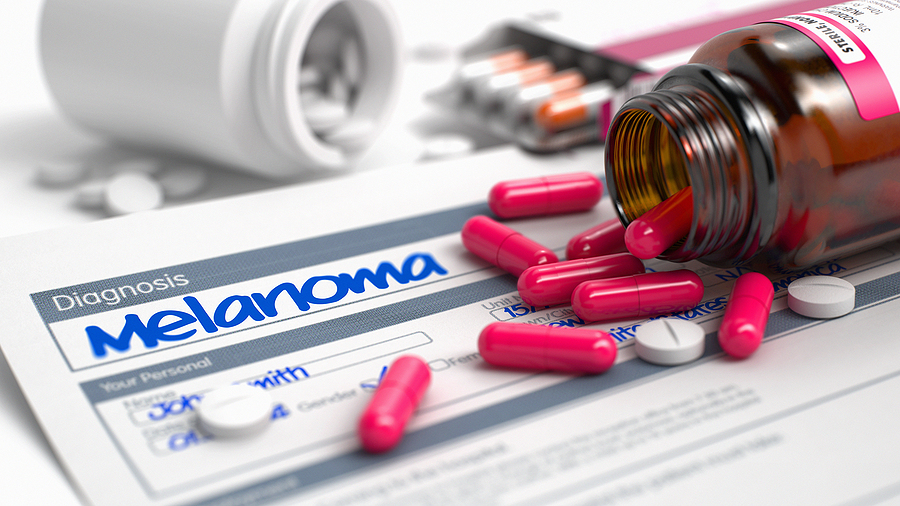
According to the Melanoma Research Foundation, indoor tanning raises the risk of melanoma by 75%, and that risk climbs with each additional session. Melanoma is currently the most common cancer among people ages 25 to 29, making this a particularly urgent issue for younger tanners.
Eye Damage and Immune Suppression
UV exposure doesn’t stop at the skin. It can suppress your immune system’s ability to fight off illness and cause serious damage to unprotected eyes, which is why eyewear isn’t optional.
How Often Is Too Often?
There’s no universal answer, but there are clear guidelines that keep risk in check.
The 48-Hour Rule
Your skin keeps developing color for a while after you leave the bed, so most tanning professionals recommend waiting at least 48 hours between sessions. Tanning again too soon doesn’t just raise your risk of burns—it doesn’t actually deepen your tan any faster.
Skin Type Matters
Fair skin (Fitzpatrick Types I and II) burns easily and tans minimally, meaning it needs more caution and more time between sessions. Darker skin tones (Types V and VI) tan more readily and are less prone to burning, but they aren’t immune to long-term UV damage.
Tips for a Safer Tanning Schedule
Space out your sessions. Stick to a minimum of 48 hours between visits so your skin has time to recover.
Start short, build slowly. Begin with brief sessions and increase gradually rather than pushing for a deep tan right away.
Protect your eyes. Always wear the eyewear provided by your salon.
Moisturize daily. Hydrated skin holds color longer and is less prone to peeling.
Watch sensitive areas. Consider extra protection on the face and other delicate skin.
Signs You’re Tanning Too Frequently
Pay attention to your skin between sessions. These signs mean it’s time to slow down:
Redness or irritation that lingers after your last visit
Peeling or flaking skin
A patchy, uneven tan
Skin that looks noticeably drier, rougher, or more aged than usual
Frequently Asked Questions
How long does a tan last?
A typical indoor tan lasts between 7 and 14 days, depending on how well you moisturize and care for your skin afterward.
Can I tan every day?
No. Tanning daily doesn’t give your skin enough time to recover and significantly raises your risk of burns and long-term damage. Stick to the 48-hour rule between sessions.
What skin type tans best indoors?
Darker skin types (Fitzpatrick IV through VI) tend to tan faster and with less burn risk, though everyone should limit session frequency regardless of skin tone.
Tan Smarter, Not Harder
A great tan doesn’t come from more sessions—it comes from the right sessions, spaced the right way. Respecting your skin’s recovery time is the difference between a healthy glow and lasting damage.
Ready to tan the smart way? Visit Broad Ripple Tans in Broad Ripple, Indiana, and check out our tanning deals, beds, and packages. We’re now offering automated spray tanning booths for a quick, even glow without the UV exposure. Stop by today!
A streaky spray tan can turn an exciting glow-up into a frustrating morning scramble. One minute you’re admiring your bronzed reflection, and the next you’re spotting uneven lines around your ankles or dark patches on your elbows. The good news? Most spray tan streaks are fixable, and you don’t need to book an emergency appointment or hide indoors for a week.
This guide walks through why streaks happen in the first place, how to identify the type of streaking you’re dealing with, and the most effective ways to correct it—whether you’re working with kitchen staples or a professional touch-up. We’ll also cover how to prevent streaks from showing up again, so your next spray tan goes smoothly from start to finish.
Fix a Bad Spray Tan in Indianapolis
Why Spray Tan Streaks Happen
Streaking isn’t random. It’s the result of specific, identifiable factors that affect how the tanning solution interacts with your skin.
Uneven Application Techniques and Rushed Appointments
Spray tans rely on consistent distance, angle, and speed during application. When a technician holds the spray gun too close, moves too quickly, or fails to blend at transition points like wrists, knees, and ankles, the solution settles unevenly. Overlapping passes or gaps in coverage create the visible lines and swipe marks most people recognize as “streaks.”
Skin Preparation Mistakes Before Your Appointment
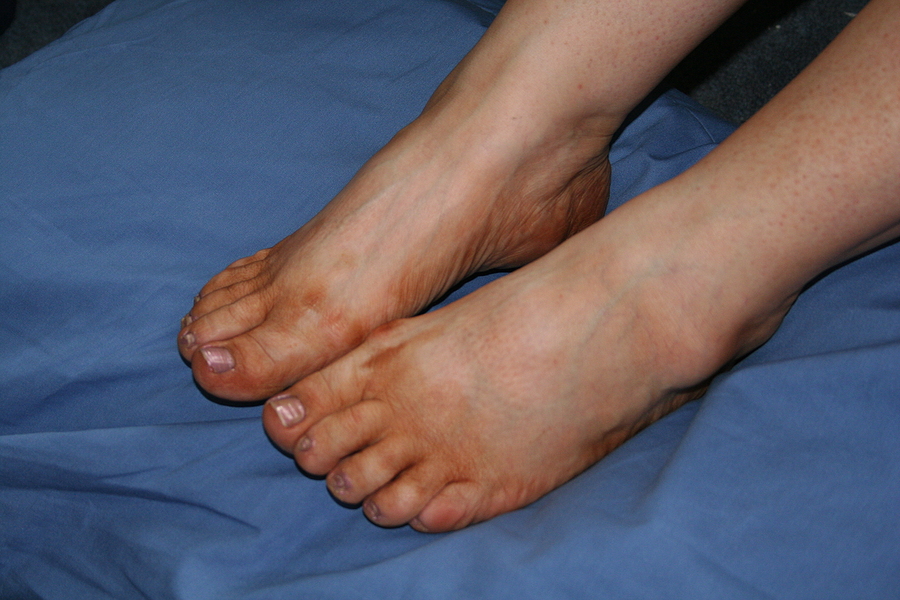
The active ingredient in most spray tans, dihydroxyacetone (DHA), reacts with amino acids in the outermost layer of your skin. Dry patches, dead skin buildup, or leftover product residue disrupt that reaction. Moisturized areas tend to absorb less solution, resulting in lighter patches, while dry, rough areas absorb more and turn darker. This is exactly why elbows, knees, hands, and feet are the usual suspects when streaks appear.
Product Quality and Formula Consistency Issues
Not all spray tan solutions perform equally. Budget formulas can have inconsistent DHA concentrations or lack skin-conditioning ingredients, which makes even development harder to achieve. Higher-quality solutions are formulated to fade evenly and reduce the risk of an orange or patchy finish.
Body Movement During the Spray Tanning Process
Your tan needs time to develop undisturbed. Sweating, tight clothing, or sitting in a position that creases your skin during the development window can cause the solution to rub off unevenly, leaving lighter marks exactly where the fabric or crease made contact.
How to Fix Streaks at Home
Once you’ve identified the problem, most streaks can be softened or corrected without removing the entire tan.
Exfoliation Methods
Gentle exfoliation is one of the most reliable ways to even out dark patches or streaks. Use a soft exfoliating mitt or washcloth, and work in small circular motions with light pressure. Focus only on the affected areas rather than exfoliating your whole body, which helps preserve the rest of your tan while softening the problem spots.
Timing matters. If you’re addressing streaks the same day as your appointment, stick to a short, gentle exfoliation session—no more than one pass over each area. Waiting a day allows for more noticeable correction, since the color has had time to settle.
A popular DIY option combines lemon juice and baking soda into a paste. The acid in the lemon juice helps lift excess color, while the baking soda acts as a natural, mild exfoliant. Apply the paste to the streaked area, let it sit for a few minutes, then rinse.
Moisturizing Techniques
After exfoliating, moisturizing helps blend the treated area into the surrounding skin. Choose an oil-free moisturizer, since heavier oils can interfere with any remaining skin color development. Apply a small amount directly to harsh lines or patchy edges to soften the transition.
Daily moisturizing isn’t just a fix for existing streaks—it also keeps your entire tan fading more evenly over time, which reduces the odds of new patchiness developing as the tan wears off naturally.
Gradual Color Correction
If your streaks are lighter than the rest of your tan, self-tanning products can fill in the gaps. Apply a gradual or light self-tanner directly to the lighter areas using a makeup brush or mitt, then blend outward toward the edges to avoid creating a new, harder line.
Layering works best when it’s targeted. Applying a fresh coat over your entire tan to fix a few small streaks often makes the problem worse. Instead, treat only the specific patches that need it, and give the product time to develop—usually one to four hours—before showering.
Professional Solutions for Stubborn Streaks
Some streaking is more stubborn than a home remedy can handle, especially if the unevenness covers large areas or the color has turned noticeably orange.
When to Visit a Spray Tan Professional for Correction
If you’ve tried gentle exfoliation and color correction without success, or if the streaking appeared right after a professional application, it’s worth returning to a local spray tanning salon. A technician can assess whether the issue is fixable with spot correction or whether removal and reapplication is the better route.
Professional Fixing Treatments and Their Effectiveness
Professional correction typically involves a combination of light exfoliation to reduce dark patches and a careful, targeted reapplication of solution to blend lighter areas. Technicians have the training and tools to feather color at transition points, something that’s harder to replicate at home.
Cost Considerations for Professional Fixes
Correction costs vary depending on the salon and severity of the streaking, but many salons offer touch-up sessions at a reduced rate compared to a full spray tan, particularly if you’re a returning client. It’s always worth asking about correction policies before your appointment, especially if you have an event coming up.
How to Prevent Streaks in the Future
Fixing a streaky tan is helpful in the moment, but preventing streaks from happening in the first place saves time and stress.
Proper Skin Preparation Before Appointments
Exfoliate 24 to 48 hours before your appointment using a gentle, oil-free scrub, paying extra attention to elbows, knees, ankles, and feet. Avoid moisturizers, oils, perfumes, deodorants, and makeup on the day of your tan, since these create barriers that prevent even absorption. If you’re shaving or waxing, do it at least 24 hours in advance.
Communication Tips With Your Spray Tan Technician
Let your technician know about any particularly dry areas, skin sensitivities, or past experiences with uneven results. This helps them adjust their technique and apply extra care to areas prone to over-absorption.
Post-Application Care and Movement Guidelines
Avoid moisture, tight clothing, and excessive movement for at least four to five hours after your session to let the solution develop undisturbed. When it’s time to shower, keep the water lukewarm, be gentle, and pat your skin dry instead of rubbing.
Choosing a Reputable Tanning Salon
Salon experience matters. A reputable salon uses well-maintained equipment, high-quality solutions, and trained technicians who understand how to blend color at every transition point on the body.
Frequently Asked Questions
Can you fix spray tan streaks immediately after application?
Yes. Same-day fixes tend to work best within the first six to twelve hours, when oil-based products and a warm (not hot) shower can help soften and blend darker or streaky areas.
What products should you avoid when fixing streaks?
Steer clear of rough scrubs, exfoliating gloves, strong acids, and layering multiple correction products at once. Chlorine and long, hot showers can also strip color unevenly and make streaking worse.
How long does it take for streaks to fade naturally?
Minor streaking often improves within 30 minutes of gentle correction, while more noticeable issues may take a few short sessions over one to two days. Natural fading continues as your skin cells turn over, typically over the course of a week.
Get a Flawless Glow, Every Time
Spray tan streaks are common, but they don’t have to derail your glow. With the right combination of gentle exfoliation, targeted moisturizing, and color correction, most streaking can be softened or fixed at home—and a professional touch-up is always an option for stubborn cases.
If you’re in Indianapolis and ready for a smooth, even tan without the guesswork, stop by Broad Ripple Tans. Check out our indoor tanning beds and current spray tan deals, and let our experienced team help you get it right the first time.
Tan lines used to be an accidental afterthought—a strap here, a sock line there. Today, they’re a canvas. More sun-tanning enthusiasts are treating tan lines as intentional design choices, turning what was once a mismatched mark into a genuine style statement.
Think of your skin as a way to show off your personality. With a little planning, strategic sun exposure can create shapes, gradients, and patterns that turn heads at the beach or pool. The best part? You don’t need special training—just the right techniques and a thoughtful approach.
This guide walks you through creative tan line ideas, from bold geometric patterns to soft ombre fades. You’ll also learn how to protect your skin along the way, because a great design should never come at the cost of your health.
Creative Tan Lines
Embracing Bold Geometric Patterns
Geometric tan lines are having a moment, and it’s easy to see why. Sharp angles and clean edges photograph beautifully, making them a favorite for social media.
How to create defined shapes with tape and stencils
The secret to crisp geometric designs is a good stencil. Body stickers and skin-safe tape let you block out specific areas, so the surrounding skin tans while the covered spots stay light. Press each edge down firmly to prevent color from bleeding underneath.
Popular geometric designs to try
Some shapes work better than others for a clear result. Consider starting with:
Triangles across the shoulders or décolletage
Stripes along the arms or back
Abstract shapes for a more artistic, freeform look
Tips for clean, symmetrical lines
Measure before you commit. Use a mirror or ask a friend to check that both sides match. Symmetry makes the difference between a design that looks polished and one that looks accidental. Take your time applying stencils, and smooth out any wrinkles or air bubbles first.
The Classic Ombre Effect
An ombre tan trades sharp lines for a soft, gradual fade. It’s a subtler look that adds depth and dimension to your skin.
Building a fade with gradual sun exposure
The ombre effect comes from layering. Expose one area longer than another over several sessions, gradually shifting from light to deep. Patience is key—rushing the process often leads to patchy, uneven results.
Planning your sessions for a polished finish
Map out your tanning schedule in advance. Short, spaced-out sessions give your skin time to develop color evenly. This approach helps you control the gradient and avoid overexposure, which protects your skin while you build the look you want.
Incorporating Fashion and Accessories
Your swimwear and accessories can do a lot of the design work for you.
Using swimwear cutouts for intentional designs
Cutout swimsuits create built-in tan line art. Strappy backs, side cutouts, and unique necklines all leave their mark. Choose pieces with interesting shapes if you want your tan lines to double as decoration.
Adding texture with lace and body art
Lace fabric creates delicate, intricate patterns when the sun filters through it. Jewelry and temporary body art offer another layer of inspiration—think anklets, rings, or stick-on designs that leave a faint imprint.
Before and after styling tips
Plan your outfits around your tan lines. A halter design pairs nicely with off-shoulder tops, while a strappy back looks striking with open-back dresses. Styling your look intentionally makes your creative tan lines feel purposeful rather than random.
Strategic Placement for Maximum Impact
Where you place your design matters just as much as the design itself.
Shoulder and back designs
Shoulders and backs get plenty of visibility in summer outfits. Tank tops, halters, and open-back styles all frame these areas well, making them prime real estate for a standout design.
Arm band and wrist concepts
An arm band tan line reads like a permanent bracelet. Wrist and forearm designs work beautifully as subtle statement pieces that peek out from short sleeves.
Leg and ankle options
Anklets, cutout sandals, and cropped hemlines create eye-catching lower-body designs. These spots are perfect for warm-weather wear when shorts and dresses take center stage.
Common Mistakes to Avoid
Creative tan lines are fun, but a few missteps can undo your hard work—or harm your skin.
Uneven application and patchy results
Patchiness usually comes from stencils that shift or tape that lifts mid-session. Secure everything firmly and check your placement before you start.
Sunburn risks with extended exposure
Chasing a deeper tan by staying out longer is a mistake. A sunburn isn’t just an unsightly redness; it can cause lasting damage to your skin. Watch your exposure times closely and step out of the sun before your skin turns pink.
Using sunscreen without ruining your design
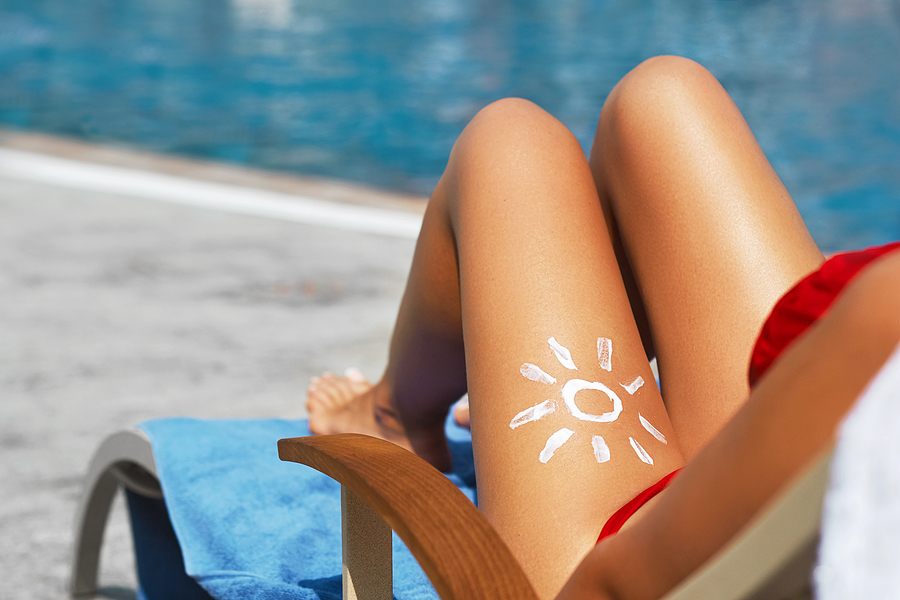
You can protect your skin and preserve your design at the same time. Apply broad-spectrum sunscreen (SPF 30 or higher) to the areas you want to keep light, and reapply throughout the day. This strategy shields your skin while still allowing your intended pattern to develop.
Timing considerations for your skin type
Every skin type reacts differently to sun exposure. Fair skin burns faster and needs shorter sessions, while deeper skin tones may take longer to show results. Knowing your own limits keeps the process safe and effective.
Frequently Asked Questions
How long do creative tan lines last?
Most tan lines fade within one to four weeks, depending on your skin type and how deep the tan is. Regular moisturizing and gentle exfoliation can help you maintain the look a little longer.
Can I fix uneven or messy tan lines?
Yes. Gentle exfoliation helps blend patchy areas, and a spray tan can even out mismatched tones. For a fresh start, let the existing tan fade and plan your next design more carefully.
What’s the safest way to create tan line designs?
Spray tanning offers the safest option since it skips UV exposure entirely. If you prefer UV tanning, use sunscreen strategically, limit your session times, and never push past your skin’s comfort level.
Do creative tan lines work on all skin tones?
They can, though the contrast will look different on each person. Lighter skin shows sharper lines, while deeper skin tones create a more subtle, blended effect. Both can look stunning with the right design.
Turn Your Tan Into a Statement
Creative tan lines are a playful, personal form of self-expression—a way to wear your style right on your skin. With smart planning and safe habits, anyone can experiment with shapes, fades, and patterns that feel uniquely their own.
If you’d like expert guidance, stop by Broad Ripple Tans in Indianapolis. From VersaSpa® spray tanning booths to a full range of tanning beds and creative body stickers, our friendly staff can help you design a look that’s safe and stunning. Visit us at 1908 Broad Ripple Ave, Indianapolis, Indiana.
Getting a deep, sun-kissed glow from self-tanner takes more than a single coat. Layering is the technique that separates a flat, one-dimensional result from a rich, buildable tan that actually lasts. Done correctly, it can produce results that rival a professional spray tan—without the salon price tag.
The catch? Most people skip steps, rush the process, or use the wrong products—and end up with patchy, uneven color that fades within days. This guide covers everything you need to know about layering self-tanner the right way, from prep through maintenance.
Layering Self Tanner
Preparation Is the Foundation of a Great Tan
Exfoliate Thoroughly Before You Apply
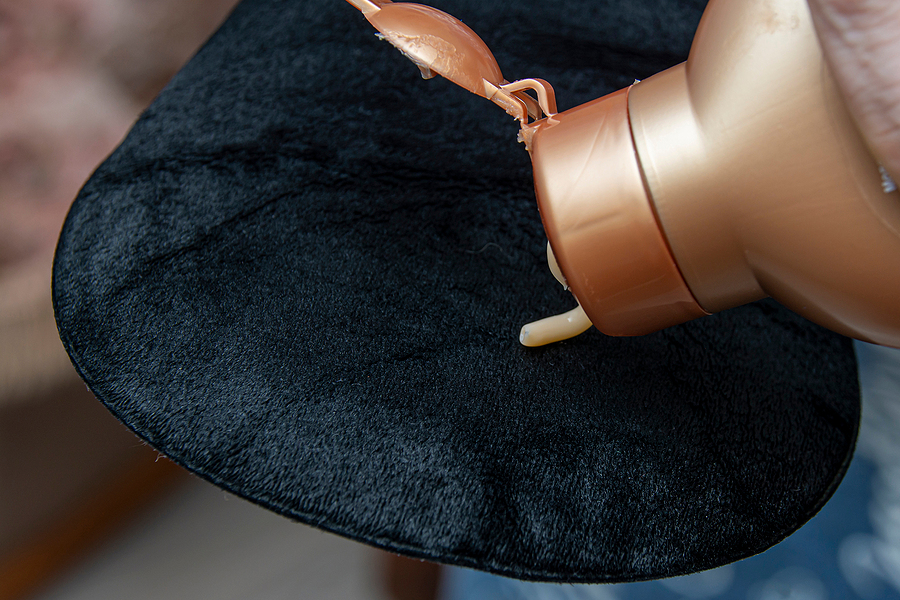
Proper skin prep is the single most important factor in how long your tan lasts. Start by exfoliating with a gentle tanning mitt in the shower—two days in a row is ideal. This removes the buildup of dead skin cells that can cause self-tanner to cling unevenly and fade quickly.
According to the American Academy of Dermatology (AAD), you should spend extra time exfoliating on thicker areas like your elbows, knees, and ankles, since skin tends to be drier and rougher there. That said, don’t scrub your skin raw. Stripping the skin barrier actually prevents DHA—the active ingredient in self-tanner—from developing properly.
Moisturize Dry Patches Before Tanning
Dry skin absorbs self-tanner at a faster rate than hydrated skin, which leads to dark, uneven patches in areas like the elbows and knees. Apply a light, unscented moisturizer to these spots before your first coat. Avoid heavy, oil-based formulas on the rest of your body, as oils can create a barrier that prevents the tanner from absorbing evenly.
Choose the Right Self-Tanner Shade and Formula
For layering, mousse formulas outperform lotions. They dry faster, apply more evenly, and tend to develop more true-to-color results. When shopping, pay attention to the DHA percentage on the label. Most drugstore tanners contain just 5–8% DHA, while professional spray tan solutions typically fall in the 10–14% DHA range. If you want a deep, long-lasting tan from layering at home, opt for a product in that professional range.
The Layering Technique, Step by Step
Start with a Full First Coat
Apply a generous first layer to your entire body, working section by section and massaging the product in using circular motions. A common mistake is using too little product—this is actually what causes streaks, not over-application. You want to fully saturate the skin with that first layer.
After applying each section, wash your hands with soap and water to prevent the orange palms that self-tanners are notorious for.
Wait for It to Fully Dry
Once your first coat is on, give it time to dry completely before applying a second layer. The minimum wait time is about one hour, but waiting the full eight hours produces the smoothest second application. At that point, a quick lukewarm rinse removes the surface bronzer and residue from the first coat, giving the next layer a clean base to adhere to.
Avoid sweating, exercising, or wearing tight clothing during the drying period, as these can disrupt the tan before it’s had a chance to set.
Apply the Second Coat to Build Depth
Once the first layer has had time to develop, apply your second coat. It doesn’t need to be as heavy as the first, but don’t go too light either. After this layer, allow a full eight hours of development time before showering. This is when the real depth of color forms.
How to Handle Problem Areas
Elbows, Knees, and Ankles
These joints are high-absorption zones. The AAD recommends diluting the self-tanner in these spots by lightly dabbing the area with a damp towel or applying a thin layer of lotion on top of the fresh product. This softens the color and prevents the telltale dark patches that give away a fake tan.
Blending at the Wrists and Feet
For a natural-looking finish, blend self-tanner lightly from your wrists onto your hands, and from your ankles onto your feet. Leaving a hard line at the wrists or feet immediately makes a tan look artificial.
Preventing Streaks and Uneven Patches
Streaks typically come from under-applying product, skipping prep, or applying to damp skin. Make sure your skin is fully dry before you start, use circular blending motions throughout, and apply each coat generously rather than sparingly.
Making Your Layered Tan Last Longer
Post-Application Shower Care
When you shower after your tan has developed, keep it brief—10 minutes maximum, with lukewarm water and no steam. Use your hands only; no loofah or washcloth. Pat your skin dry rather than rubbing, which can strip color unevenly.
Hydrate Daily to Extend Your Color
Moisturized skin holds onto self-tanner significantly longer than dry skin. After your tan has developed, apply a hydrating body lotion daily. For an added boost, look for a tan-extending body lotionor add a few tanning drops to your existing moisturizer to maintain depth between applications.
Schedule Your Next Application
A layered self-tan typically lasts five to seven days with good maintenance. To keep the color consistent, plan a fresh application before the old tan begins to fade visibly. Exfoliate gently before each new session to remove any uneven patches from the previous tan.
Common Mistakes That Ruin a Layered Tan
Rushing between coats. Applying a second layer before the first has dried leads to pilling, streaking, and uneven color. Patience is non-negotiable.
Over-applying in a single session. More product doesn’t mean a better tan—it means a higher chance of dark patches and an unnatural finish. Build color gradually.
Using low-quality products. Self-tanners with heavy instant bronzers can clog pores and leave a greenish cast. Look for products that list DHA as the primary tanning agent.
Skipping sunscreen. Self-tanner does not provide any UV protection. The AAD recommends applying SPF 30 or higher with broad-spectrum and water-resistant coverage every day, regardless of your tan.
Frequently Asked Questions
How many layers of self-tanner are safe to apply?
Two coats is the standard recommendation for a deep tan. Applying more than two layers in a short period can result in an unnatural, overly dark finish that fades unevenly.
What’s the ideal waiting time between coats?
Wait until the first coat is completely dry to the touch—at minimum one hour. For the smoothest, most even second coat, waiting the full eight hours and doing a quick lukewarm rinse before reapplying gives the best results.
Can layering self-tanner damage your skin?
When done correctly, layering self-tanner is safe. DHA, the active ingredient, reacts with the outer layer of dead skin cells and doesn’t penetrate deeper into the skin. That said, always follow prep steps carefully and avoid applying to broken or irritated skin.
Get That Professional Glow in Indianapolis
Layering self-tanner at home takes practice, but once you master the technique, the results are genuinely impressive. Prep thoroughly, build color gradually, and maintain with daily hydration—and your tan will look deeper and last far longer than a single-coat application ever could.
Prefer to skip the DIY process and let the professionals handle it? Visit Broad Ripple Tans in Indianapolis to explore our state-of-the-art spray tan beds and packages. Whether you’re looking for a subtle sun-kissed finish or a deep, bronzed glow, we have options to suit every skin tone and occasion.
Red light therapy has quietly moved from hospital corridors and sports medicine clinics into mainstream wellness spaces—and for good reason. Unlike traditional tanning, which relies on UV radiation to darken the skin, red light therapy works beneath the surface to support your body’s natural healing and renewal processes. The result? Healthier skin, faster recovery, and a range of wellness benefits that go well beyond cosmetics.
If you’ve heard the buzz but aren’t sure what to expect, this guide breaks down exactly how red light therapy works, what it can do for your body, and why it’s a smarter choice than conventional UV tanning.
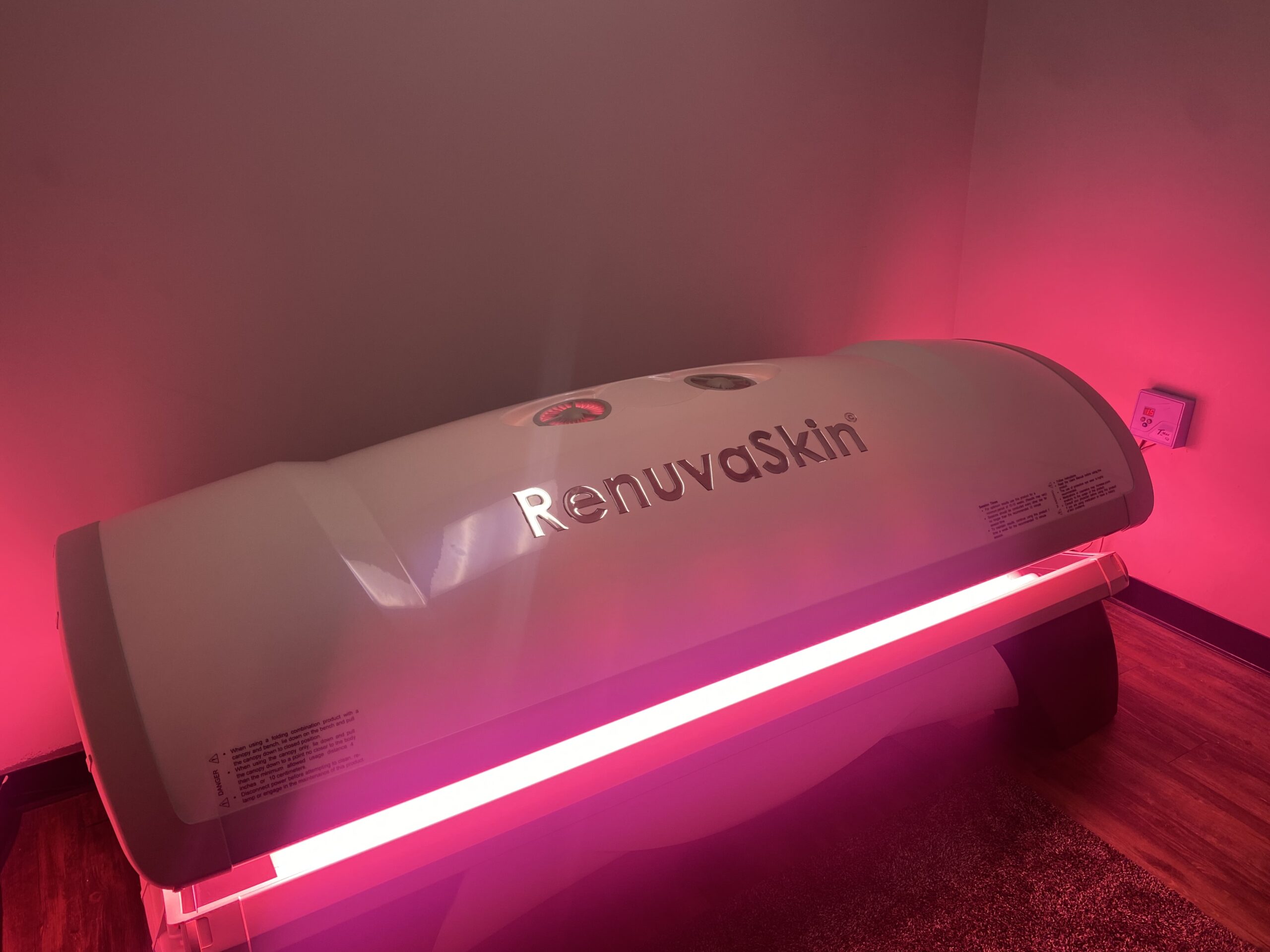
Red Light Therapy Tanning Beds
How Red Light Therapy Works
Red light therapy—also known as photobiomodulation or low-level light therapy—delivers specific wavelengths of red light (620–700nm) and near-infrared light (800–900nm) directly to your skin and the tissue beneath it. These wavelengths are long enough to penetrate deep into the dermis, where collagen is produced and where cellular repair takes place.
Once absorbed, the light targets the mitochondria—the energy-producing centers of your cells. This stimulates increased production of adenosine triphosphate (ATP), the molecule that powers virtually every cellular function in your body. With more cellular energy available, your body can repair tissue faster, produce more collagen, reduce inflammation, and improve circulation.
Critically, red light therapy contains zero UV radiation. It doesn’t trigger melanin production, doesn’t cause sunburn, and doesn’t damage DNA. That’s a meaningful distinction from traditional tanning beds, which we’ll explore further below.
The Top Health Benefits of Red Light Therapy Tanning
Improved Skin Health and Appearance
One of the most well-documented benefits of red light therapy is its impact on skin health. According to the Cleveland Clinic, red light therapy stimulates collagen and fibroblast production—two key components of skin structure, strength, and elasticity. It also increases blood circulation to the skin and reduces cellular inflammation.
The practical effects of these changes include:
Reduced fine lines and wrinkles as collagen density increases
Improved skin texture and overall tone
Faster healing of acne scars, stretch marks, and blemishes
Reduction in redness associated with conditions like rosacea and eczema
A controlled trial published in Photomedicine and Laser Surgery found that patients treated with red and near-infrared light experienced significant improvements in skin tone, reduction in fine lines, and measurable increases in intradermal collagen density. These aren’t overnight results, but they’re lasting—and they compound with consistent use.
Faster Muscle Recovery
Red light therapy has become a popular recovery tool among athletes and fitness enthusiasts, and the research supports its use. A meta-analysis of 39 randomized controlled trials confirmed the ergogenic potential of low-level light therapy for muscular recovery, particularly in reducing exercise-induced inflammation and soreness.
The mechanism is straightforward: by boosting mitochondrial energy production, red light helps muscle tissue repair itself more efficiently after training. Sessions before or after workouts can reduce delayed-onset muscle soreness (DOMS), allowing athletes to train harder and recover faster between sessions.
Pain Relief and Inflammation Reduction
Beyond acute muscle soreness, red light therapy shows promise for managing chronic pain and joint discomfort. The Cleveland Clinic notes that red light therapy is being investigated for its role in relieving pain and inflammation associated with conditions including rheumatoid arthritis, carpal tunnel syndrome, ankle tendonitis, and osteoarthritis of the knee.
Its anti-inflammatory effects work at the cellular level—reducing the production of pro-inflammatory markers rather than simply masking pain. For those dealing with persistent joint or muscle discomfort, this makes red light therapy a compelling complementary option alongside other treatments.
Better Circulation and Energy Levels
By increasing ATP production and promoting vasodilation, red light therapy supports healthy blood circulation throughout the body. Improved circulation means better delivery of oxygen and nutrients to tissues, which has downstream effects on energy levels, skin health, and overall vitality.
Many regular users report feeling more alert and energized after sessions—without stimulants or supplements. While research into this area is still developing, the biological rationale is sound: cells that produce more energy simply function better.
Sleep Quality Improvement
Red light therapy may also benefit your sleep. A study published in the Journal of Athletic Training found that female basketball players who underwent red light therapy treatment showed improvements in both sleep quality and serum melatonin levels compared to a control group. This suggests that red light exposure can support the body’s natural circadian rhythms and melatonin production—particularly when used in the evening.
For anyone struggling with disrupted sleep patterns or low energy in the morning, this is a meaningful, drug-free option worth considering.
Red Light Therapy vs. Traditional Tanning
The differences between red light therapy and traditional UV tanning are significant—and not just cosmetic.
Traditional tanning beds emit UV radiation (primarily UVA rays at 320–400nm and UVB rays at 280–320nm) to stimulate melanin production. That tan is your skin’s damage response—evidence that cellular harm has occurred. The World Health Organization classifies tanning bed devices as Group 1 carcinogens. According to the American Academy of Dermatology, using a tanning bed before age 35 increases melanoma risk by 75%, while regular use raises basal cell carcinoma risk by 24% and squamous cell carcinoma risk by 58%.
Red light therapy, by contrast, is FDA-recognized as safe when used as directed. It carries no cancer risk, causes no DNA damage, and doesn’t produce burns. Where UV radiation breaks down collagen and accelerates skin aging, red light actively stimulates collagen production—working in the opposite direction entirely.
The tradeoff is visible results. Tanning beds deliver immediate color change; red light therapy builds healthier skin over weeks of consistent use. Most users notice improvements in texture and hydration within two to four weeks, with more significant results—firmer skin, reduced wrinkles, improved tone—appearing after eight to twelve weeks.
Who Should Use Red Light Therapy Tanning?
Red light therapy is well-suited for a wide range of people:
Athletes and fitness enthusiasts looking to recover faster and perform better
People with skin concerns like acne scarring, rosacea, eczema, or sun-damaged skin
Those seeking anti-aging benefits without invasive procedures or harsh topicals
Anyone seeking natural wellness solutions for pain, sleep, or energy—without medication
People transitioning away from UV tanning who want a healthier alternative that still supports their wellness routine
Because red light therapy is non-invasive, UV-free, and gentle on all skin types, it’s accessible to most people. If you take photosensitizing medications or have a history of light-sensitive conditions, consult your healthcare provider before starting.
Frequently Asked Questions
How often should I use red light therapy beds?
For best results during the initial phase, aim for three to five sessions per week. Once you’ve achieved your desired results, most people maintain benefits with two to three sessions per week.
Is red light therapy safe for all skin types?
Yes. Because red light therapy uses non-UV wavelengths that don’t affect melanin production or damage skin cells, it’s considered safe for all skin types, including sensitive skin.
How long does it take to see results?
Most people notice early improvements in skin hydration and texture within two to four weeks. More significant changes—firmer skin, reduced fine lines, improved tone—typically appear after eight to twelve weeks of consistent use.
Can I combine red light therapy with other treatments?
Generally, yes. Red light therapy pairs well with other skincare routines and wellness treatments. Some tanning facilities also offer sessions combining red light therapy with traditional tanning. If you’re using prescription topicals or undergoing specific dermatological treatments, check with your provider before combining modalities.
The Bottom Line
Red light therapy offers a compelling range of benefits—from collagen stimulation and anti-aging skin support, to muscle recovery, pain relief, better circulation, and improved sleep. Unlike traditional UV tanning, it works with your body’s biology rather than against it, building healthier skin and supporting overall wellness over time.
Ready to experience the difference? Visit Broad Ripple Tans in Broad Ripple, Indianapolis and try our luxury red light therapy beds today. Our team is here to help you find the right session plan for your goals.
Your skin is one of the most telling indicators of your overall health, yet most people have never stopped to truly figure out what type of skin they have. Pick the wrong cleanser, and you might strip your skin of the oils it needs. Choose the wrong moisturizer, and you could end up breaking out. The truth is, effective skincare starts with one foundational step: knowing your skin type.
This guide walks you through everything you need to know—from the four core skin types and the Fitzpatrick Scale to at-home tests and routine-building tips—so you can make smarter, more informed skincare decisions.
What’s Your Skin Type?
Why Your Skin Type Matters More Than You Think
Most people reach for skincare products based on marketing or recommendations from friends. But what works for someone else may not work for you. Your skin type determines how it responds to different ingredients, environmental conditions, and even hormonal changes.
According to the American Academy of Dermatology (AAD), the five primary skin types are oily, dry, normal, combination, and sensitive. Each type has unique characteristics, and using products designed for a different type can do more harm than good.
There’s also a common misconception worth addressing: skin type and skin condition are not the same thing. Dehydration, acne, and redness are conditions—temporary states your skin may cycle through. Skin type, on the other hand, is a more stable characteristic largely determined by genetics.
The Four Core Skin Types: Identifying Your Category
Oily Skin
Oily skin is driven by an overproduction of sebum—the skin’s natural oil—from the sebaceous glands. Stress, genetics, humidity, and fluctuating hormones can all trigger excess oil production.
Key signs:
A shiny or greasy appearance, especially in the T-zone (forehead, nose, and chin)
Enlarged or visible pores
Frequent blackheads or acne breakouts
One upside? According to the AAD, people with oily skin may develop fewer wrinkles over time. For care, opt for oil-free, non-comedogenic cleansers and lightweight, gel-based moisturizers.
Dry Skin
Dry skin produces less sebum than other types, which means it struggles to retain moisture. A compromised skin barrier is often at the root of the issue, allowing water to escape too quickly.
Key signs:
Tight, rough, or flaky texture
Dull or ashy appearance
Sensitivity or itchiness after cleansing
Look for products rich in ceramides, hyaluronic acid, and glycerin. Thicker creams—rather than thin lotions—tend to be more effective for restoring moisture in dry skin.
Combination Skin
Combination skin is exactly what it sounds like: a mix of oily and dry zones on the same face. Typically, the T-zone runs oily while the cheeks stay dry or normal.
Key signs:
Shine concentrated around the forehead, nose, and chin
Dry or rough patches on the cheeks
Skin behavior that shifts with the seasons or hormonal cycles
Caring for combination skin often means using different products on different areas—a gel moisturizer on oily zones and a richer cream on drier patches.
Normal Skin
Normal skin sits in a comfortable middle ground. It’s neither too oily nor too dry, and it’s generally not prone to sensitivity or breakouts.
Key signs:
Balanced hydration across the entire face
Small, less-visible pores
Smooth texture and even tone
Even normal skin benefits from a consistent routine. Moisturizers with ceramides and hyaluronic acid help maintain its natural balance, and non-comedogenic formulas reduce the risk of breakouts.
The Fitzpatrick Scale: Skin Tones and Sun Sensitivity
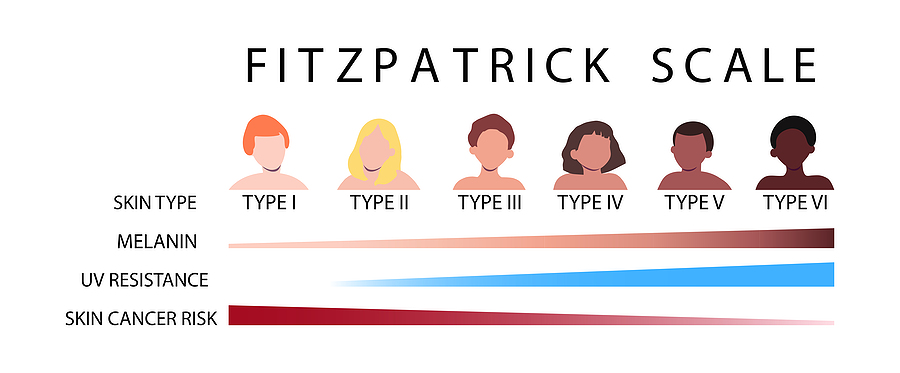
Fitzpatrick Scale for Skin Type
The Six Skin Phototypes
The Fitzpatrick Scale is a dermatological tool that classifies skin into six phototypes based on pigmentation and how skin responds to UV exposure. Developed for assessing skin cancer risk, it’s also widely used in tanning and cosmetic contexts.
Type
Characteristics
Sun Response
Type I
White skin, blonde/red hair, green eyes, freckles
Always burns, never tans
Type II
White skin, blonde hair, green/blue eyes
Always burns, rarely tans
Type III
White skin, blonde/brown hair, blue/brown eyes
Burns first, then tans
Type IV
Brown skin, hair, and eyes
Rarely burns, tans easily
Type V
Dark brown skin, brown/black hair and eyes
Very rarely burns, tans readily
Type VI
Black skin and hair, brown/black eyes
Never burns, deeply pigmented
Why the Fitzpatrick Scale Is Crucial for Tanning and Sun Protection
Regardless of where you fall on the Fitzpatrick Scale, sunscreen is non-negotiable. However, your phototype does influence how you approach sun exposure and indoor tanning. Those with Type I or II skin face the highest risk of UV damage and skin cancer, and should use high-SPF sunscreens year-round. Types V and VI carry a lower burn risk but are not immune to UV-related damage.
For indoor tanning enthusiasts, the Fitzpatrick Scale is particularly relevant. Knowing your phototype helps tanning professionals customize session times and product recommendations to suit your skin safely.
Two At-Home Tests to Pinpoint Your Skin Type
You don’t need a dermatologist to get a good read on your skin type. These two simple methods can help you figure it out at home.
The Bare-Face Method
Wash your face with a gentle cleanser and pat it dry
Leave your skin bare—no serums, moisturizers, or treatments
Wait 30 minutes and observe
What to look for: All-over shine suggests oily skin. Tightness and flaking point to dry skin. Shine only in the T-zone signals combination skin. A comfortable, hydrated feeling with no visible oil or dryness suggests normal skin.
The Blotting Sheet Method
Cleanse your face and wait 30 minutes
Press blotting sheets onto different areas of your face
Hold each sheet up to a light source to check oil markings
What to look for: Sheets saturated with oil from all areas indicate oily skin. Little to no oil suggests dry skin. Oil only from the T-zone points to combination skin. Minimal oil across the board means normal skin.
Tailoring Your Skincare Routine to Your Skin Type
Cleansers: Choosing the Right Formula
Oily skin: Foaming or gel cleansers that remove excess oil without over-stripping
Dry skin: Hydrating, cream-based cleansers that preserve the skin’s natural moisture barrier
Combination skin: Gentle, balanced cleansers that don’t aggravate either zone
Normal skin: Mild, fragrance-free cleansers that maintain equilibrium
Moisturizers: Hydration for Every Skin Type
Every skin type—yes, including oily—needs a moisturizer. The key is choosing the right texture. Lightweight gels work well for oily skin, while thick creams are better suited for dry skin. Combination skin benefits from a zonal approach: gel on the T-zone, cream on drier areas.
Serums and Treatments: Targeted Solutions
Serums offer a chance to address specific concerns beyond your basic type. Hyaluronic acid serums add deep hydration for dry skin. Niacinamide helps regulate sebum production in oily skin. Vitamin C brightens and protects for normal or combination types.
Debunking Skin Type Myths
Skin Type vs. Skin Condition
Acne, redness, and dehydration are often mistaken for skin types. In reality, these are conditions—they can occur in any skin type and are often triggered by external factors like diet, stress, or incorrect product use. Treating a condition without considering your underlying skin type is a common skincare mistake.
Can Your Skin Type Change Over Time?
Yes, it can. Hormonal shifts, aging, climate changes, and lifestyle factors all influence how your skin behaves. As noted by board-certified dermatologist Dr. Nkem Ugonabo of CeraVe, some people find their skin becomes less oily as they age or when they move to different environments. Revisiting your skin type periodically—especially after major life changes—is a good habit.
Frequently Asked Questions
How often should I re-evaluate my skin type?
Once or twice a year is a good starting point. Major life changes—pregnancy, menopause, a new climate, or a significant shift in diet—can alter your skin’s behavior and warrant a reassessment sooner.
Does diet affect my skin type?
Diet influences skin condition, not skin type. That said, poor hydration and diets high in processed foods or sugar can worsen oiliness, dryness, and inflammation. A balanced diet supports healthier skin regardless of your type.
Can men and women have different skin types?
Yes. On average, men’s skin tends to be oilier and thicker due to higher testosterone levels, which stimulates more sebum production. Both men and women can have any of the four core skin types, but hormonal differences do play a role.
Build Your Best Skin Routine Starting Today
Knowing your skin type is the starting point for every skincare decision you’ll ever make. Whether you’re oily, dry, combination, or normal, the right routine can mean the difference between skin that struggles and skin that thrives. And when it comes to tanning—understanding your Fitzpatrick phototype helps you achieve your glow safely, with the right level of UV exposure for your complexion.
Ready to glow? Visit Broad Ripple Tans in Indianapolis—the neighborhood’s premier, locally owned tanning studio. With state-of-the-art tanning beds, VersaSpa® spray tanning booths, and expert staff who tailor every session to your unique skin tone, Broad Ripple Tans makes it easy to get the radiant look you want without the guesswork. Stop by or call 317-257-8262 to learn about their latest deals and packages.
Disclaimer: The information provided in this blog post is intended for general educational purposes only and should not be construed as medical advice. Skin type identification and skincare needs vary from person to person. For personalized guidance, consult a board-certified dermatologist. Always perform a patch test before introducing new skincare products and wear appropriate sun protection regardless of your skin type or Fitzpatrick phototype.
Getting a golden glow when your skin burns at the first sign of sun sounds like a losing battle—but it doesn’t have to be. Sensitive skin requires a more thoughtful approach to tanning, one that prioritizes protection without sacrificing results.
The good news? With the right preparation, gentle techniques, and proper aftercare, even the most sun-reactive skin can achieve a beautiful, healthy-looking tan. This guide covers everything you need to know, from choosing the right SPF to exploring self-tanners that deliver a natural finish—no UV damage required.
Tanning with Sensitive Skin
Protecting Your Sensitive Skin from Sunburn
Before you even think about tanning, protection has to come first. Sunburn isn’t just uncomfortable—it’s a sign of DNA-level skin damage that, over time, increases the risk of premature aging and skin cancer.
The Importance of Sunscreen for Sensitive Skin
Sunscreen is non-negotiable for sensitive skin types. Unprotected UV exposure triggers inflammation and burns far more quickly in reactive skin, often before any tan has the chance to develop. A good sunscreen creates a protective barrier that allows you to spend time outdoors without paying for it later.
For those with sensitive skin specifically, look for mineral sunscreens containing zinc oxide or titanium dioxide. These sit on top of the skin rather than absorbing into it, making them far less likely to cause irritation or allergic reactions compared to chemical alternatives.
Choosing the Right SPF and Broad-Spectrum Protection
SPF 30 blocks around 97% of UVB rays, while SPF 50 blocks approximately 98%. For sensitive skin, SPF 30–50 is the sweet spot—high enough for meaningful protection, without the thicker formulas that higher SPFs sometimes require. Always opt for broad-spectrum protection, which guards against both UVA rays (which cause aging and long-term damage) and UVB rays (which cause burning).
Apply sunscreen 15–20 minutes before sun exposure and reapply every two hours—or immediately after swimming or sweating. Don’t forget easy-to-miss spots like the tops of your ears, the back of your neck, and your feet.
Gentle Tanning Methods for Sensitive Skin Types
Protection comes first, but tanning is still achievable. The key is going slow and exploring methods that work with your skin, not against it.
Gradual Sun Exposure for a Natural Glow
Short, controlled bursts of sun exposure are far better for sensitive skin than long, uninterrupted sessions. Start with 10–15 minutes of morning sun (before 10 a.m.), when UV index levels are at their lowest. Gradually add a few minutes over several days to allow your skin to adjust and melanin production to build up naturally.
Avoid peak sun hours between 10 a.m. and 4 p.m., when UV radiation is strongest. Wearing protective clothing like a wide-brimmed hat and UV-blocking sunglasses adds an extra layer of defense while you build your base.
Exploring Self-Tanners and Their Benefits
Self-tanners have come a long way. Modern formulas offer streak-free, natural-looking results without any UV exposure—making them an excellent option for sensitive skin. The active ingredient, dihydroxyacetone (DHA), reacts with the outermost layer of skin to temporarily darken its appearance. No sun required.
For sensitive skin, look for self-tanners that are fragrance-free, alcohol-free, and dermatologist-tested. Gradual tanning lotions are especially forgiving, allowing you to build color slowly and avoid any sudden, harsh color shifts. Always exfoliate gently before applying and moisturize dry areas like elbows and knees to prevent uneven absorption.
Post-Tan Care: Soothing and Hydrating Sensitive Skin
What you do after sun exposure matters just as much as what you do before. A solid post-tan routine keeps your skin calm, hydrated, and your glow lasting longer.
Moisturizing to Extend Your Tan and Prevent Peeling
Dry skin peels—and peeling takes your tan with it. Applying a rich, fragrance-free moisturizer daily locks in hydration and helps the skin’s outer layer stay intact longer. Look for ingredients like hyaluronic acid, glycerin, and ceramides, which replenish moisture without irritating sensitive skin.
Moisturize within a few minutes of stepping out of the shower, while your skin is still slightly damp, for maximum absorption. This one small habit can significantly extend the life of your tan.
Aloe Vera and After-Sun Lotions for Comfort
If your skin feels hot, tight, or slightly red after sun exposure, aloe vera gel is one of the most effective and gentle remedies available. Its anti-inflammatory properties cool the skin and reduce redness quickly. Store it in the fridge for an even more soothing effect.
After-sun lotions formulated with calming ingredients like chamomile, green tea extract, or panthenol are also worth keeping in your routine. These help repair the skin’s barrier, reduce inflammation, and prep your skin for the next day.
Common Tanning Myths for Sensitive Skin
Misinformation about tanning runs rampant—and for people with sensitive skin, following the wrong advice can lead to real harm.
Debunking the “Base Tan” Myth
The idea that a “base tan” protects your skin from further burning is one of the most persistent myths in skincare. A tan, including a base tan, only provides roughly SPF 3 protection. That’s nowhere near enough to prevent damage.
According to the Skin Cancer Foundation, there is no such thing as a safe tan from UV exposure—any darkening of the skin is a sign that damage has already occurred. Sensitive skin is especially vulnerable to this cumulative damage.
Why Burning Does Not Lead to Tanning
Many people assume that burning is just the first step toward a tan. This isn’t how it works. Burning and tanning are two separate biological responses to UV radiation. Burning is an inflammatory reaction caused by excessive UV exposure. Tanning is the skin’s attempt to protect itself by producing more melanin.
For people with sensitive skin, the inflammatory response often dominates—meaning burns are more likely than tans. Protecting your skin with sunscreen doesn’t prevent tanning; it prevents burning while still allowing gradual, safer color to develop.
Your Sensitive Skin Tanning Questions Answered
Can sensitive skin tan without burning?
Yes—with the right precautions. Short periods of morning sun, combined with broad-spectrum SPF 30–50, allow gradual melanin production without the inflammatory response that causes burning.
What’s the safest way to get a tan with sensitive skin?
Self-tanners are the safest option. They deliver color without any UV exposure. Look for fragrance-free, DHA-based formulas designed for reactive skin types.
How often should I reapply sunscreen when tanning outdoors?
Reapply every two hours, or immediately after swimming or heavy sweating—even if the label says “water-resistant.”
Can I use after-sun lotion every day?
Yes. After-sun lotions containing aloe vera, chamomile, or panthenol are gentle enough for daily use and help maintain the skin’s moisture barrier year-round.
Will moisturizing really make my tan last longer?
It does. Tanned skin fades as the outer skin cells shed. Keeping the skin well-hydrated slows this process, helping your tan last days longer than it otherwise would.
Embrace a Sun-Kissed Look Safely
Sensitive skin and a beautiful tan aren’t mutually exclusive. The key lies in preparation, protection, and patience. Choose the right sunscreen, limit your UV exposure to safer hours, explore self-tanners for a no-risk glow, and take care of your skin before and after time in the sun. Avoid the myths that could lead you astray—and remember that a healthy complexion always looks better than a painful burn.
Ready to glow? Visit Broad Ripple Tans in Indianapolis for the best tanning deals and services around town. Whether you’re looking for professional spray tans, self-tanning products, or expert advice tailored to your skin type, the team at Broad Ripple Tans has you covered.
Summer is coming, and if you want to step into the sun with confidence, building a base tan is one of the smartest ways to prepare your skin for the season ahead. A base tan helps your skin adjust to UV exposure gradually, reducing the risk of burns and setting the stage for a deeper, more even color throughout the summer.
But there’s a right way and a wrong way to get there. Skip the preparation, rush the process, or skip sun protection entirely, and you’re more likely to end up burned than bronzed. This guide walks you through everything you need to know—from prepping your skin to maintaining that golden glow—so you can tan smart and stay healthy.
Building a Base Tan
What Is a Base Tan?
A base tan is a light layer of color built up gradually over time through repeated, controlled UV exposure. It’s the foundation your skin develops before a vacation, outdoor event, or the height of summer—essentially giving your complexion a head start before more intense sun exposure hits.
When your skin is exposed to UV rays, it produces melanin, the pigment responsible for tanning. A base tan signals that melanin production is already underway, which can help your skin respond more evenly to continued sun exposure.
Does a Base Tan Actually Protect You?
This is worth addressing directly, because the science is nuanced. According to Harvard Health, a base tan offers roughly the equivalent of SPF 3 to 4—minimal protection that won’t prevent sunburn on its own. So while a base tan is a helpful starting point, it is not a substitute for sunscreen.
Think of it as a warm-up, not a shield. Your skin is more prepared, but it still needs protection.
Preparing Your Skin for a Base Tan
Getting a great tan starts before you ever step into the sun. The condition of your skin plays a significant role in how evenly and deeply color develops.
Exfoliate for an Even Canvas
Dead skin cells on the surface can cause color to develop unevenly or fade in patches. Exfoliate your skin two to three days before you begin tanning—gently scrubbing your elbows, knees, and any other rough patches will give you a smoother, more receptive surface for UV exposure.
Avoid exfoliating immediately before a tanning session, as freshly scrubbed skin can be more sensitive.
Hydration Is Everything
Dry skin tans poorly and fades fast. Keeping your skin well-hydrated—both by drinking plenty of water and applying a good moisturizer daily—helps your tan develop more evenly and stick around longer. Look for lotions with ingredients like aloe vera, shea butter, or vitamin E, which nourish skin without interfering with UV absorption.
Apply Sunscreen Before You Go Outside
Yes, even when you’re trying to tan. Sunscreen doesn’t prevent your skin from developing color—it prevents you from burning, which is counterproductive and harmful. Apply a broad-spectrum SPF 30 to exposed areas, allow it to absorb fully, and reapply every two hours when spending extended time outdoors.
Building Your Base Tan Safely
The key to a beautiful base tan is patience. Rushing the process leads to burns, peeling, and uneven color.
Gradual Sun Exposure: Slow and Steady
Start with short sessions—15 to 20 minutes in the sun during off-peak hours (before 10 a.m. or after 4 p.m., when UV intensity is lower). Gradually increase your exposure over one to two weeks, allowing your skin time to adapt between sessions. Leave at least 48 hours between tanning sessions to let melanin fully develop.
This steady approach not only reduces the risk of burning but produces a more uniform, lasting color.
Indoor Tanning Options
For those who want more control over the process, indoor tanning can be an effective way to build a base tan before vacation or a busy outdoor season.
Tanning Beds: What to Know
Tanning beds deliver controlled UV exposure in a consistent environment, making it easier to manage session length and intensity. Beginners should always start with shorter sessions—typically 5 to 7 minutes in a lower-level bed—and work up gradually. Allow 48 hours between visits and always use a tanning-specific lotion designed for bed use.
If you’re in Indianapolis and looking for a premium indoor tanning experience, Broad Ripple Tans on Broad Ripple Ave is the place to go. With a range of tanning bed options, spray tan services, and their new luxury infrared beds, Broad Ripple Tans offers some of the best indoor tanning discounts in the city. You can also shop our selection of professional tanning lotions and products to maximize your results. Give us a call at 317-257-8262 or stop in today.
Spray Tans: An Instant Glow
If UV exposure isn’t for you, a professional spray tan offers a safe, effective way to achieve that sun-kissed look without any UV risk. Modern spray tans are a far cry from the orange streaks of the past—when applied professionally, they produce a natural-looking, even color that develops within hours. For those with fair or sensitive skin, a spray tan can be an excellent base before a beach holiday, providing the appearance of color without any UV exposure at all.
Tanning Lotions and Products
The right products can significantly improve the quality and longevity of your tan. Tanning accelerators, bronzers, and after-tan moisturizers are all designed to support the tanning process and keep your color looking its best. Tanning accelerators, for example, contain ingredients like tyrosine that support melanin production. Always choose products appropriate for your skin type and tanning method—bed-specific lotions differ from those designed for outdoor use.
Maintaining Your Golden Glow
Once you’ve built your base tan, a little consistent care will keep it looking fresh for weeks.
Post-Tan Skin Care
After each session, apply a rich, hydrating moisturizer while your skin is still slightly warm. This locks in moisture and helps your tan last longer. Avoid exfoliating immediately after tanning—wait a few days to allow color to fully develop before sloughing off any surface cells.
Extending the Life of Your Tan
Short, regular top-up sessions are far more effective than infrequent long ones. If you’re maintaining a tan throughout the summer, aim for short sun or bed sessions every few days rather than lengthy exposures once a week. Continue moisturizing daily—hydrated skin holds color significantly longer than dry skin.
Safe Long-Term Tanning Practices
Long-term skin health should always be the priority. Wear sunscreen every time you’re outdoors, even on cloudy days. Stay out of the sun during peak UV hours. Get regular skin checks and monitor moles or spots for any changes. Tanning responsibly means enjoying the benefits of that sun-kissed glow while minimizing cumulative UV damage over time.
Frequently Asked Questions About Base Tans
Is a base tan truly protective?
A base tan provides very minimal UV protection—roughly equivalent to SPF 3 to 4, according to Harvard Health. It should never replace sunscreen. Think of it as a starting point, not a barrier.
How long does it take to build a base tan?
Most people can build a noticeable base tan in one to two weeks with consistent, gradual exposure. Fair-skinned individuals may take a little longer and should be especially careful to avoid overexposure early on.
Can I get a base tan with self-tanner?
Self-tanners color the outer layer of the skin using DHA (dihydroxyacetone) and do not involve UV exposure. They are the safest way to achieve a tan-like appearance, though the color they produce does not affect the skin’s UV response the way a true melanin-based tan does.
What should I wear when building a base tan outdoors?
Lightweight, breathable clothing protects areas you don’t want to tan. Wear a wide-brimmed hat and UV-protective sunglasses to protect your face and eyes, and apply SPF 30 to any exposed areas.
Start Your Summer Glow the Smart Way
A base tan is one of the best investments you can make before a summer full of sunshine. Build it gradually, prep your skin properly, and protect it throughout the process—and you’ll have a healthy, even color that lasts well into the season.
Ready to get started? Visit Broad Ripple Tans in Indianapolis for expert guidance, top-tier tanning beds, luxurious new infrared beds, spray tan services, and a full range of professional tanning products.
Sunshine on your skin feels incredible, and building a beautiful base tan can boost your confidence. Once you have that initial glow, you might want to take it a step further. Deepening an existing tan requires a careful balance of skin care, safe exposure, and healthy habits.
Rushing the process can leave you with a painful reminder of overexposure, such as a sunburn or peeling skin. A deep, rich tan takes a little patience, but the results are always worth the effort. By focusing on skin health and strategic tanning methods, you can achieve a darker shade safely and effectively.
This guide will walk you through the most effective ways to enhance your color. You will learn how to prepare your skin, which products to use, and how dietary choices can naturally boost your radiance.
Deepen Your Tan in Indianapolis
Preparing Your Skin for a Deeper Tan
A lasting tan starts long before you step into the sunlight or a tanning bed. Proper skin preparation ensures that your color develops evenly and adheres to fresh, healthy skin cells.
Gentle exfoliation for even skin
Dead skin cells can build up on the surface of your body, creating a barrier that prevents UV rays or tanning products from penetrating evenly. Gentle exfoliation removes this dull layer. Use a mild body scrub or an exfoliating mitt a day before you plan to tan. This step ensures that your color develops on fresh skin, making your tan look smoother and last significantly longer.
Moisturize for lasting radiance
Hydration is the foundation of healthy, glowing skin. Dry skin tends to flake off quickly, taking your hard-earned tan with it. Apply a rich, nourishing moisturizer daily to keep your skin soft and supple. Well-moisturized skin absorbs UV light more effectively and holds onto color better. Focus on areas that tend to dry out quickly, such as your elbows, knees, and ankles.
Smart Tanning Strategies
Building a darker tan requires a methodical approach. Overexposing your skin can cause damage and set your progress back by causing your skin to peel.
Gradual sun exposure
The most effective way to deepen your color safely is through gradual exposure. Spending short, consistent amounts of time in the sun or a tanning bed allows your skin to produce melanin steadily. Start with brief sessions and slowly increase your time as your skin adjusts. This method prevents burning and helps you build a deep, resilient tan that will not fade after just a few days.
Utilizing tanning lotions and accelerators
Tanning accelerators and lotions are powerful tools for deepening your color. These products contain ingredients that stimulate melanin production, helping you achieve a darker shade in less time. Tinglers, bronzers, and intensifiers can all boost your results. Applying a high-quality accelerator right before your tanning session maximizes your skin’s ability to absorb UV rays and develop a rich, dark hue.
The Role of Diet and Hydration
What you put into your body plays a major role in how your skin looks on the outside. Certain foods and proper hydration can naturally enhance your complexion.
Foods that support skin health
Consuming a diet rich in specific vitamins can naturally warm up your skin tone. Beta-carotene is a powerful nutrient known for giving skin a healthy, sun-kissed appearance. You can find high levels of beta-carotene in carrots, sweet potatoes, spinach, and cantaloupe. Incorporating these foods into your daily meals provides a natural boost to your tan from the inside out.
Staying hydrated for a vibrant tan
Drinking plenty of water is essential for maintaining a deep tan. When your body is properly hydrated, your skin cells remain plump and healthy. This helps your tan look vibrant and prevents your skin from drying out and shedding prematurely. Aim to drink at least eight glasses of water a day, especially on days you spend time tanning or outdoors.
Maintaining and Extending Your Tan
Once you have achieved your desired shade of bronze, the next step is keeping it around for as long as possible. A solid after-care routine is crucial for tan longevity.
Post-tan skincare routine
After you tan, your skin needs immediate nourishment. Use a tan extender or a specialized after-sun lotion to lock in the color and soothe your skin. These products are formulated with hydrating ingredients like aloe vera and vitamin E, which help repair the skin barrier and prolong the life of your tan.
Avoiding tan-fading habits
Certain daily habits can strip your color away faster than you might realize. Hot showers, for example, can dry out your skin and cause it to flake. Opt for lukewarm water instead. Additionally, avoid harsh soaps or body washes containing heavy chemicals and sulfates, as these can strip away your skin’s natural oils and accelerate the fading process.
Frequently Asked Questions (FAQ)
How long does it take to see results?
Seeing a noticeably deeper tan usually takes a few consistent sessions over the course of a week or two. Gradual exposure builds melanin safely, so patience is key. Rushing the process increases the risk of sunburn, which will ultimately ruin your tan.
Can I deepen an artificial tan?
Yes, you can deepen a spray tan or self-tanner. You can apply a second layer of self-tanner two days after your initial application. Ensure you lightly exfoliate any dry patches before reapplying, and always use a high-quality product to avoid an orange or streaky finish.
What should I do if my tan is uneven?
If your tan develops unevenly, gentle exfoliation is the best remedy. Focus on the darker, blotchy areas with a body scrub to help even out the tone. Moving forward, make sure your skin is thoroughly moisturized before tanning to prevent dry patches from absorbing too much color.
Keep Your Tan Radiant
Achieving a deep, beautiful tan takes a little dedication, but the radiant results speak for themselves. By prepping your skin thoroughly, practicing smart tanning habits, and fueling your body with the right nutrients, you can build a stunning, long-lasting glow. Remember to prioritize your skin’s health above all else. A well-hydrated, cared-for complexion will always hold color beautifully.
Ready to take your glow to the next level? Visit Broad Ripple Tans in Indianapolis for an upscale tanning experience at neighborhood prices. Whether you are looking for automated VersaSpa® spray tan booths, high-pressured stand-up beds, or ultra-bronzing mega beds, we have the perfect luxury equipment to deepen your existing tan.
Getting a beautiful, sun-kissed glow feels fantastic, but stepping out of a tanning session with an itchy, red rash can quickly ruin the experience. Skin irritation is a frustrating setback that many indoor tanners face at some point. Instead of enjoying your new color, you might find yourself dealing with uncomfortable bumps and inflammation.
This common skin reaction happens for a variety of reasons, ranging from trapped sweat to sensitivity caused by specific medications. Ignoring these symptoms can lead to prolonged discomfort or even worsen the condition of your skin. Knowing exactly why your skin is reacting this way is the crucial first step toward finding fast relief.
By identifying the root cause of your discomfort, you can take immediate action to soothe your skin and keep the redness at bay. This guide covers the most frequent triggers for indoor tanning rashes, practical ways to treat them at home, and simple strategies to ensure your next session leaves you with nothing but a flawless tan.
Tanning Bed Skin Rash Treatment
Causes of Tanning Bed Rash
Skin rashes from tanning beds rarely happen without a specific trigger. Pinpointing the exact cause helps you apply the right treatment and avoid future flare-ups.
Heat Rash (Miliaria)
A heat rash, also known as prickly heat, is one of the most common culprits. Tanning beds generate a significant amount of heat, causing your body to sweat. If your sweat ducts become blocked, the perspiration gets trapped beneath the skin. This leads to an outbreak of small, itchy, red bumps, typically appearing on your chest, back, or areas where your skin folds.
Allergic Reactions
Your skin might be reacting to something it came into contact with during your session. Contact dermatitis occurs when your skin touches an allergen or irritant. This could be an ingredient in the tanning lotion you applied, or even a residue left behind by the cleaning chemicals used to sanitize the tanning bed. Acrylic cleaners are highly effective at killing bacteria, but they can occasionally irritate sensitive skin if the bed is not wiped down thoroughly.
Photosensitivity
Certain medications and skincare products make your skin highly sensitive to ultraviolet (UV) light. Antibiotics, birth control pills, ibuprofen, and some acne treatments can trigger a phototoxic reaction when exposed to UV rays. This reaction often looks and feels like an intense sunburn or a severe, blistering rash that develops rapidly after a tanning session.
Dry Skin and Irritation
Healthy skin requires plenty of moisture. UV exposure naturally draws moisture out of your skin, leaving it dry and tight. If you go into a tanning session with already dry or compromised skin, the UV rays can strip away the remaining barrier. The result is dry, flaky skin that easily becomes red, itchy, and irritated.
Immediate Treatment for Tanning Bed Rash
When a rash appears, acting quickly can significantly reduce your discomfort and help your skin heal faster.
Cooling the Skin
The very first step is to bring your skin’s temperature down. Take a cool shower or apply cold, damp compresses to the affected areas for 15 to 20 minutes. Cooling the skin reduces UV-driven inflammation and helps alleviate the painful burning sensation associated with heat rashes.
Topical Creams and Lotions
Once your skin is cool and dry, apply a soothing topical treatment. Aloe vera gel is an excellent natural remedy that calms inflammation and hydrates the skin. For persistent itching, a thin layer of over-the-counter hydrocortisone cream can work wonders. Avoid using heavy, petroleum-based ointments or thick body butters, as these can trap heat and block your sweat ducts even further.
Over-the-Counter Medications
If the rash is accompanied by swelling or intense itching, an oral antihistamine like Benadryl or Claritin can help block the allergic response. Anti-inflammatory pain relievers like ibuprofen or acetaminophen can also reduce swelling and ease general discomfort.
When to Seek Medical Advice
Most tanning rashes clear up within a few days using home remedies. However, you should consult a dermatologist or healthcare provider if the rash blisters, oozes pus, feels hot to the touch, or is accompanied by a fever. These symptoms could indicate a skin infection or a severe phototoxic reaction that requires prescription medication.
Preventing Tanning Bed Rash
Protecting your skin before, during, and after your session ensures you get a great tan without the uncomfortable side effects.
Prepare Your Skin
Proper preparation makes a world of difference. Exfoliate gently a day or two before your session to remove dead skin cells, creating a smooth canvas for tanning. Ensure your skin is completely clean before you lay down. Remove any perfumes, cosmetics, or essential oils, as these can sometimes react poorly with UV light.
Smart Tanning Practices
Start slowly if you are building a base tan or using a new bed. Gradually increase your exposure time to allow your skin to acclimatize to the UV rays. If you suspect you are prone to heat rashes, choose a tanning bed equipped with high-quality cooling fans to keep your body temperature regulated while you tan.
Post-Tanning Skincare
After your session, wait a few hours before taking a lukewarm shower. Gently pat your skin dry with a towel instead of rubbing it. Immediately apply a high-quality, fragrance-free moisturizer or a specialized tan extender. Keeping your skin deeply hydrated repairs the protective barrier and prevents dryness-induced itching.
Tanning Safely and Responsibly
Achieving a deep, beautiful tan safely requires a holistic approach to your health and the environment you choose to tan in.
Hydration and Nutrition
Beautiful skin starts from the inside out. Drink plenty of water before and after your tanning sessions to replenish the moisture lost through sweating. Eating a diet rich in antioxidants—like vitamins C and E found in fresh fruits and vegetables—helps protect your skin cells from environmental stress and supports faster healing.
Choosing the Right Tanning Salon
The cleanliness and professionalism of your salon play a massive role in your skin health. Look for a local tanning salon that enforces strict sanitation protocols and uses properly diluted, skin-safe cleaning solutions. The staff should be knowledgeable about skin types and willing to help you choose the right equipment and exposure times.
Frequently Asked Questions About Tanning Rashes
Is tanning bed rash contagious?
No, a tanning bed rash is not contagious. Whether the rash is caused by heat, an allergic reaction to lotions, or a photosensitive response to medication, it cannot be passed from person to person.
Can tanning lotions cause a rash?
Yes. Some tanning accelerators and bronzers contain ingredients like fragrances, dyes, or tingle additives (such as benzyl nicotinate) that stimulate blood flow. While these ingredients help deepen your tan, they can cause contact dermatitis or intense irritation for people with sensitive skin.
How long does a tanning bed rash last?
A minor heat rash or mild contact dermatitis usually resolves on its own within two to three days, provided you avoid further UV exposure and keep the skin cool and hydrated. More severe photosensitive reactions may take a week or longer to heal completely.
Keep Your Skin Healthy and Glowing
A skin rash shouldn’t stand in the way of achieving the perfect golden glow. By taking the time to prepare your skin, choosing the right products, and listening to your body’s signals, you can enjoy indoor tanning without the uncomfortable side effects. Hydration, gentle skincare, and gradual UV exposure are your best tools for maintaining a healthy, radiant complexion.
If you are looking for a clean, professional, and welcoming environment to achieve your tanning goals, we are here to help. Experience top-tier customer service and quality indoor tanning in Broad Ripple, Indiana. Check out our tanning coupons and packages to start building your flawless tan safely today!