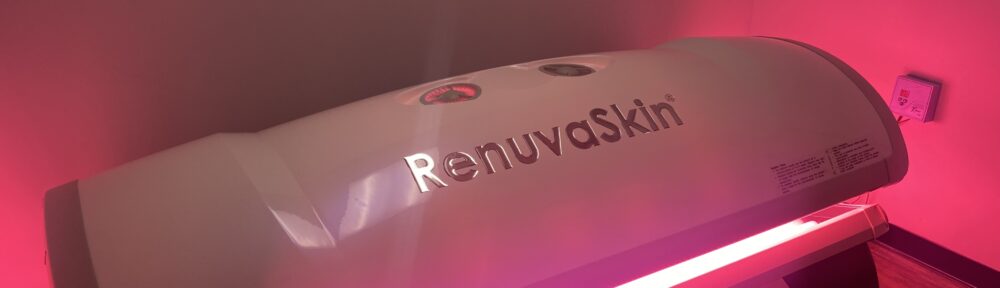
Red light therapy has quietly moved from hospital corridors and sports medicine clinics into mainstream wellness spaces—and for good reason. Unlike traditional tanning, which relies on UV radiation to darken the skin, red light therapy works beneath the surface to support your body’s natural healing and renewal processes. The result? Healthier skin, faster recovery, and a range of wellness benefits that go well beyond cosmetics.
If you’ve heard the buzz but aren’t sure what to expect, this guide breaks down exactly how red light therapy works, what it can do for your body, and why it’s a smarter choice than conventional UV tanning.
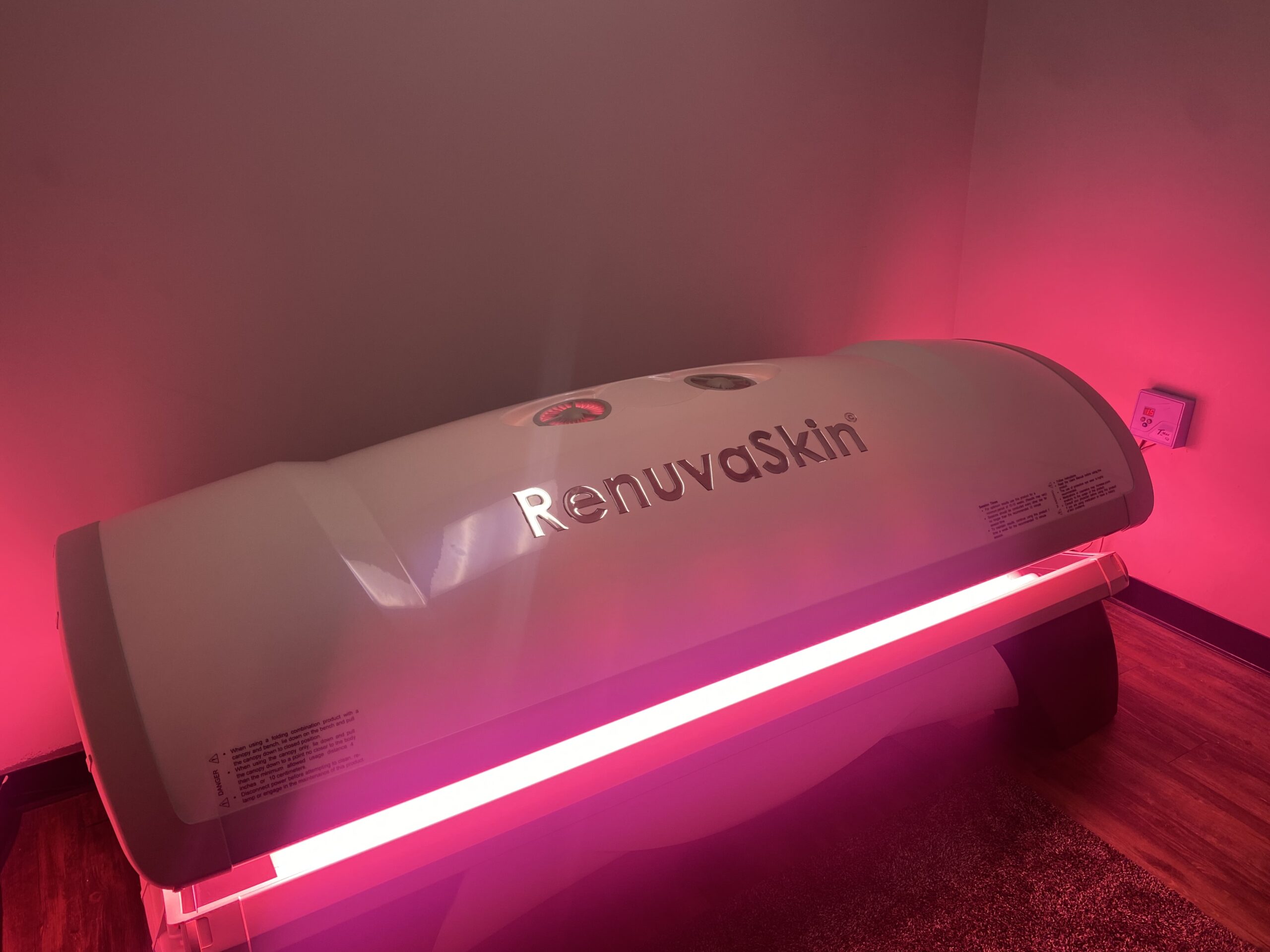
How Red Light Therapy Works
Red light therapy—also known as photobiomodulation or low-level light therapy—delivers specific wavelengths of red light (620–700nm) and near-infrared light (800–900nm) directly to your skin and the tissue beneath it. These wavelengths are long enough to penetrate deep into the dermis, where collagen is produced and where cellular repair takes place.
Once absorbed, the light targets the mitochondria—the energy-producing centers of your cells. This stimulates increased production of adenosine triphosphate (ATP), the molecule that powers virtually every cellular function in your body. With more cellular energy available, your body can repair tissue faster, produce more collagen, reduce inflammation, and improve circulation.
Critically, red light therapy contains zero UV radiation. It doesn’t trigger melanin production, doesn’t cause sunburn, and doesn’t damage DNA. That’s a meaningful distinction from traditional tanning beds, which we’ll explore further below.
The Top Health Benefits of Red Light Therapy Tanning
Improved Skin Health and Appearance
One of the most well-documented benefits of red light therapy is its impact on skin health. According to the Cleveland Clinic, red light therapy stimulates collagen and fibroblast production—two key components of skin structure, strength, and elasticity. It also increases blood circulation to the skin and reduces cellular inflammation.
The practical effects of these changes include:
- Reduced fine lines and wrinkles as collagen density increases
- Improved skin texture and overall tone
- Faster healing of acne scars, stretch marks, and blemishes
- Reduction in redness associated with conditions like rosacea and eczema
A controlled trial published in Photomedicine and Laser Surgery found that patients treated with red and near-infrared light experienced significant improvements in skin tone, reduction in fine lines, and measurable increases in intradermal collagen density. These aren’t overnight results, but they’re lasting—and they compound with consistent use.
Faster Muscle Recovery
Red light therapy has become a popular recovery tool among athletes and fitness enthusiasts, and the research supports its use. A meta-analysis of 39 randomized controlled trials confirmed the ergogenic potential of low-level light therapy for muscular recovery, particularly in reducing exercise-induced inflammation and soreness.
The mechanism is straightforward: by boosting mitochondrial energy production, red light helps muscle tissue repair itself more efficiently after training. Sessions before or after workouts can reduce delayed-onset muscle soreness (DOMS), allowing athletes to train harder and recover faster between sessions.
Pain Relief and Inflammation Reduction
Beyond acute muscle soreness, red light therapy shows promise for managing chronic pain and joint discomfort. The Cleveland Clinic notes that red light therapy is being investigated for its role in relieving pain and inflammation associated with conditions including rheumatoid arthritis, carpal tunnel syndrome, ankle tendonitis, and osteoarthritis of the knee.
Its anti-inflammatory effects work at the cellular level—reducing the production of pro-inflammatory markers rather than simply masking pain. For those dealing with persistent joint or muscle discomfort, this makes red light therapy a compelling complementary option alongside other treatments.
Better Circulation and Energy Levels
By increasing ATP production and promoting vasodilation, red light therapy supports healthy blood circulation throughout the body. Improved circulation means better delivery of oxygen and nutrients to tissues, which has downstream effects on energy levels, skin health, and overall vitality.
Many regular users report feeling more alert and energized after sessions—without stimulants or supplements. While research into this area is still developing, the biological rationale is sound: cells that produce more energy simply function better.
Sleep Quality Improvement
Red light therapy may also benefit your sleep. A study published in the Journal of Athletic Training found that female basketball players who underwent red light therapy treatment showed improvements in both sleep quality and serum melatonin levels compared to a control group. This suggests that red light exposure can support the body’s natural circadian rhythms and melatonin production—particularly when used in the evening.
For anyone struggling with disrupted sleep patterns or low energy in the morning, this is a meaningful, drug-free option worth considering.
Red Light Therapy vs. Traditional Tanning
The differences between red light therapy and traditional UV tanning are significant—and not just cosmetic.
Traditional tanning beds emit UV radiation (primarily UVA rays at 320–400nm and UVB rays at 280–320nm) to stimulate melanin production. That tan is your skin’s damage response—evidence that cellular harm has occurred. The World Health Organization classifies tanning bed devices as Group 1 carcinogens. According to the American Academy of Dermatology, using a tanning bed before age 35 increases melanoma risk by 75%, while regular use raises basal cell carcinoma risk by 24% and squamous cell carcinoma risk by 58%.
Red light therapy, by contrast, is FDA-recognized as safe when used as directed. It carries no cancer risk, causes no DNA damage, and doesn’t produce burns. Where UV radiation breaks down collagen and accelerates skin aging, red light actively stimulates collagen production—working in the opposite direction entirely.
The tradeoff is visible results. Tanning beds deliver immediate color change; red light therapy builds healthier skin over weeks of consistent use. Most users notice improvements in texture and hydration within two to four weeks, with more significant results—firmer skin, reduced wrinkles, improved tone—appearing after eight to twelve weeks.
Who Should Use Red Light Therapy Tanning?
Red light therapy is well-suited for a wide range of people:
- Athletes and fitness enthusiasts looking to recover faster and perform better
- People with skin concerns like acne scarring, rosacea, eczema, or sun-damaged skin
- Those seeking anti-aging benefits without invasive procedures or harsh topicals
- Anyone seeking natural wellness solutions for pain, sleep, or energy—without medication
- People transitioning away from UV tanning who want a healthier alternative that still supports their wellness routine
Because red light therapy is non-invasive, UV-free, and gentle on all skin types, it’s accessible to most people. If you take photosensitizing medications or have a history of light-sensitive conditions, consult your healthcare provider before starting.
Frequently Asked Questions
How often should I use red light therapy beds?
For best results during the initial phase, aim for three to five sessions per week. Once you’ve achieved your desired results, most people maintain benefits with two to three sessions per week.
Is red light therapy safe for all skin types?
Yes. Because red light therapy uses non-UV wavelengths that don’t affect melanin production or damage skin cells, it’s considered safe for all skin types, including sensitive skin.
How long does it take to see results?
Most people notice early improvements in skin hydration and texture within two to four weeks. More significant changes—firmer skin, reduced fine lines, improved tone—typically appear after eight to twelve weeks of consistent use.
Can I combine red light therapy with other treatments?
Generally, yes. Red light therapy pairs well with other skincare routines and wellness treatments. Some tanning facilities also offer sessions combining red light therapy with traditional tanning. If you’re using prescription topicals or undergoing specific dermatological treatments, check with your provider before combining modalities.
The Bottom Line
Red light therapy offers a compelling range of benefits—from collagen stimulation and anti-aging skin support, to muscle recovery, pain relief, better circulation, and improved sleep. Unlike traditional UV tanning, it works with your body’s biology rather than against it, building healthier skin and supporting overall wellness over time.
Ready to experience the difference? Visit Broad Ripple Tans in Broad Ripple, Indianapolis and try our luxury red light therapy beds today. Our team is here to help you find the right session plan for your goals.
Related Posts:
First Red Light Tanning Bed Session Tips
Red Light Therapy Beds: Unveiling the Benefits Beyond the Surface