
TL;DR: Achieve a safe, glowing tan by prepping your skin, using the right lotions, and following professional timing guidelines.
Key Takeaways:
- Exfoliate before your session for even results.
- Always use indoor-specific tanning lotions.
- Wear protective eyewear to prevent UV damage.
- Moisturize daily to extend the life of your tan.
Table of Contents:
- How Should You Prepare Your Skin for Tanning?
- What Are the Benefits of Indoor Tanning Lotions?
- How Do You Choose the Right Tanning Bed?
- What Safety Precautions Should You Follow?
- How Can You Maintain Your Tan Longer?
- FAQ Section
- Quick Recap
Getting that perfect sun-kissed look shouldn’t be a guessing game. Whether you are prepping for a vacation, a special event, or just want to add a little color to your complexion during the winter months, indoor tanning offers a controlled environment to achieve your goals.
However, the key to a beautiful tan isn’t just showing up; it’s about preparation, safety, and aftercare. From understanding how UV rays interact with your skin type to selecting the right equipment, being informed is your best defense against burns and uneven color. This guide will walk you through every step of the process so you can tan smartly and safely.
How Should You Prepare Your Skin for Tanning?
Proper preparation involves exfoliating 24 hours in advance and ensuring your skin is free of perfumes, deodorants, and makeup.
Think of your skin as a canvas. If the canvas is rough or dirty, the paint won’t apply evenly. The same logic applies to tanning. The most crucial step in preparation is exfoliation. By removing dead skin cells about 24 hours before your appointment, you ensure that the UV light penetrates fresh, healthy skin cells. This not only makes your tan look more even but also helps it last significantly longer.
On the day of your session, you need to arrive with a clean slate. Avoid wearing heavy perfumes, oil-based cosmetics, or deodorants. Many of these products contain ingredients that can react negatively to UV light, potentially leading to irritation, rashes, or white spots where the product blocked the rays. If you are coming from work or the gym, bring makeup remover wipes to clean your face and neck thoroughly before entering the tanning bed.
What Are the Benefits of Indoor Tanning Lotions?
Indoor lotions hydrate the skin, accelerate the tanning process, and are specifically formulated not to damage tanning bed acrylics.
You might be tempted to use your regular outdoor sunscreen or a drugstore moisturizer, but this is a major mistake. Outdoor lotions often contain oils (like mineral oil) that can ruin the acrylic surface of a tanning bed. This acrylic is expensive to replace, and salon owners strictly prohibit non-approved lotions for this reason.
Beyond protecting the equipment, indoor tanning lotions are scientifically designed to maximize your results. Dry skin reflects UV light, which means you are wasting your session time if your skin isn’t hydrated. Indoor lotions provide intense moisture that allows your pores to absorb UV rays more efficiently. Many also contain “accelerators” or “bronzers”—ingredients like L-tyrosine that stimulate melanin production faster than UV light alone. This means you can achieve a darker color in a shorter amount of exposure time, which is always the safer option for your skin.
How Do You Choose the Right Tanning Bed?
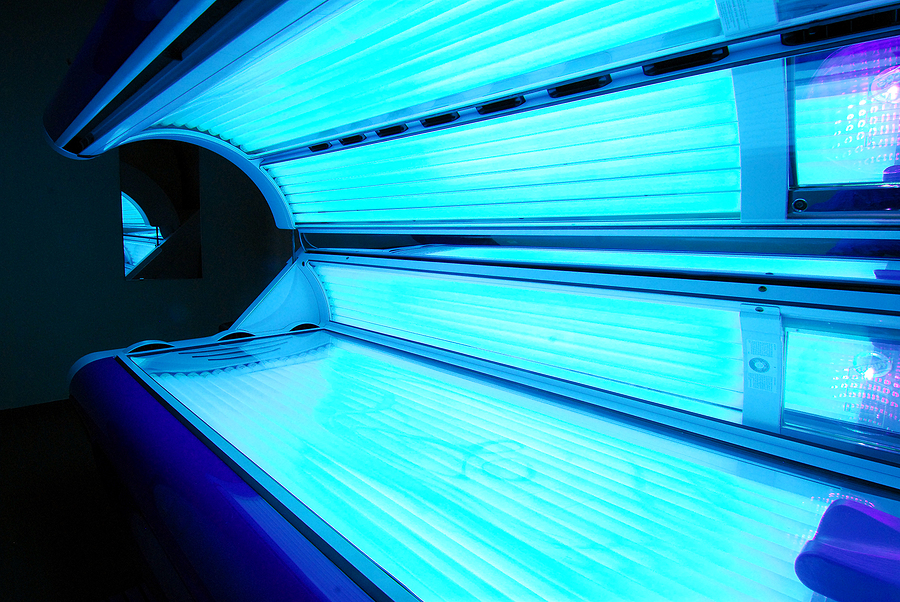
Selection depends on your base tan level and goals, ranging from low-pressure builds to high-pressure bronzing beds. Not all tanning beds are created equal, and knowing the difference can drastically change your results. Most salons offer levels of equipment that vary by lamp type and UV output.
- Low-Pressure Beds (Level 1-2): These beds use traditional fluorescent bulbs that emit a balanced mix of UVA and UVB rays. UVB rays are responsible for stimulating melanin production (the pigment in your skin) but are also more likely to cause sunburn if you aren’t careful. These beds are excellent for building a “base tan” if you are starting from scratch.
- High-Pressure Beds (Level 3-5): These units use quartz lamps and specialized filters to block out most UVB rays, delivering primarily UVA light. UVA rays oxidize the melanin you already have, turning it brown. These beds are perfect for deepening an existing tan and offer longer-lasting results, often requiring fewer visits to maintain.
If you are new to tanning, consult the salon staff. They can assess your skin type and recommend a schedule that starts with lower intensity to prevent burning.
What Safety Precautions Should You Follow?
You must wear FDA-compliant goggles, adhere to recommended exposure times, and allow 48 hours between sessions. Safety is non-negotiable when dealing with UV exposure. The most common mistake new tanners make is closing their eyes or using a towel instead of wearing protective eyewear. Your eyelids are incredibly thin and do not block UV rays effectively. Without FDA-compliant goggles, you risk long-term eye damage, including cataracts, photokeratitis (sunburn of the cornea), and night vision loss.
Secondly, respect the timer. The FDA and salon professionals set exposure limits based on your skin type to prevent injury. Never try to push for the maximum time on your first visit. Sunburn takes 6 to 48 hours to fully develop, so you won’t know you’ve overdone it until it’s too late.
Finally, patience is key. You should allow at least 24 to 48 hours between sessions. This resting period gives your skin time to produce melanin and recover from the UV exposure. Tanning too frequently doesn’t make you darker faster; it simply increases your risk of skin damage and creates a dry, peeling look.
How Can You Maintain Your Tan Longer?
Maintenance requires consistent hydration through Tan Extender lotions and avoiding long, hot showers that strip skin oils. Once you have achieved your desired color, the goal shifts to keeping it. The lifespan of a tan is directly related to the lifecycle of your skin cells. As your skin naturally exfoliates, your tan fades. To slow this process down, hydration is your best friend.
Use a high-quality “Tan Extender” moisturizer daily, preferably after you shower. These lotions often contain small amounts of bronzer to replenish color and vitamins that keep skin healthy. Conversely, avoid taking long, scorching hot showers or using harsh soaps, as these strip the natural oils from your skin and accelerate exfoliation. Pat your skin dry gently with a towel rather than rubbing it vigorously.
FAQ Section
How long does a session last?
Session times vary depending on the equipment and your skin type. A standard low-pressure bed session might last anywhere from 10 to 20 minutes, while high-pressure beds often have shorter exposure times due to their intensity. Beginners typically start with just 5 to 8 minutes.
Can I tan if I have sensitive skin?
If you have very fair skin (Type I) that burns easily and never tans, indoor tanning is generally not recommended due to the high risk of skin damage. If you have sensitive but tannable skin, you must start with very short sessions and use lotions designed for sensitive skin (often labeled “hypoallergenic”). Always consult a dermatologist if you are unsure.
Why do I have white spots on my shoulder blades?
This is caused by pressure points. When you lie in the tanning bed, your body weight restricts blood flow to the areas pressing against the acrylic (usually shoulder blades and tailbone), which reduces oxygen. Melanin needs oxygen to darken. To fix this, simply shift your body position or lift your shoulders slightly a few times during your session.
Quick Recap:
- Exfoliate and hydrate: Prep skin 24 hours prior and avoid makeup or perfumes on the day of your session.
- Use professional lotions: Avoid outdoor oils that damage acrylics; opt for accelerators to maximize results.
- Protect your eyes: Always wear FDA-compliant goggles to prevent long-term vision damage.
Conclusion
Indoor tanning can be a relaxing way to achieve a vibrant look, but it requires a commitment to safety and skin care. By preparing your skin properly, respecting exposure limits, and moisturizing diligently, you can enjoy a beautiful glow while minimizing risks. Remember, a great tan is a process, not a race.
Ready for a sun-kissed glow? Check out these terrific indoor tanning deals in Broad Ripple, Indiana, to start your journey today!
Related Post: The Real Benefits of Indoor Tanning