
Sinking into a tanning bed for that golden glow is a routine for many, but frequency matters more than most realize. While an occasional session can deliver the bronzed look you’re after, tanning too often puts your skin—and your health—at serious risk.
This post breaks down what happens to your skin when you overdo it, how often you should actually be tanning, and how to build a schedule that keeps your glow looking good without the damage.
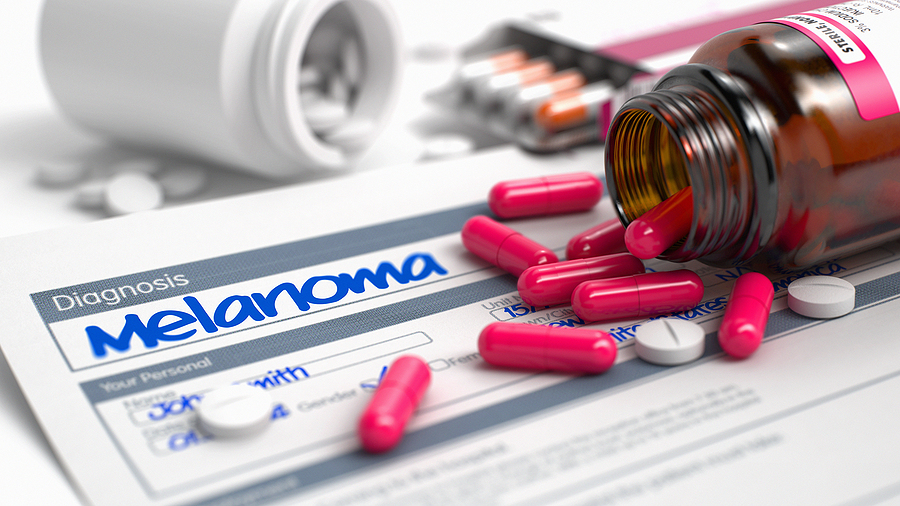
The Real Risks of Frequent Tanning
Every tanning session exposes your skin to ultraviolet (UV) radiation. The U.S. Department of Health and Human Services classifies UV radiation from tanning beds as a known carcinogen, and the risks compound with each visit.
Skin Damage and Premature Aging
UVA rays penetrate deep into the skin, breaking down collagen and accelerating the appearance of wrinkles and age spots. The effects often take years to surface, so damage from tanning in your teens or twenties may not show up until you’re older.
Increased Melanoma and Skin Cancer Risk
According to the Melanoma Research Foundation, indoor tanning raises the risk of melanoma by 75%, and that risk climbs with each additional session. Melanoma is currently the most common cancer among people ages 25 to 29, making this a particularly urgent issue for younger tanners.
Eye Damage and Immune Suppression
UV exposure doesn’t stop at the skin. It can suppress your immune system’s ability to fight off illness and cause serious damage to unprotected eyes, which is why eyewear isn’t optional.
How Often Is Too Often?
There’s no universal answer, but there are clear guidelines that keep risk in check.
The 48-Hour Rule
Your skin keeps developing color for a while after you leave the bed, so most tanning professionals recommend waiting at least 48 hours between sessions. Tanning again too soon doesn’t just raise your risk of burns—it doesn’t actually deepen your tan any faster.
Skin Type Matters
Fair skin (Fitzpatrick Types I and II) burns easily and tans minimally, meaning it needs more caution and more time between sessions. Darker skin tones (Types V and VI) tan more readily and are less prone to burning, but they aren’t immune to long-term UV damage.
Tips for a Safer Tanning Schedule
- Space out your sessions. Stick to a minimum of 48 hours between visits so your skin has time to recover.
- Start short, build slowly. Begin with brief sessions and increase gradually rather than pushing for a deep tan right away.
- Protect your eyes. Always wear the eyewear provided by your salon.
- Moisturize daily. Hydrated skin holds color longer and is less prone to peeling.
- Watch sensitive areas. Consider extra protection on the face and other delicate skin.
Signs You’re Tanning Too Frequently
Pay attention to your skin between sessions. These signs mean it’s time to slow down:
- Redness or irritation that lingers after your last visit
- Peeling or flaking skin
- A patchy, uneven tan
- Skin that looks noticeably drier, rougher, or more aged than usual
Frequently Asked Questions
How long does a tan last?
A typical indoor tan lasts between 7 and 14 days, depending on how well you moisturize and care for your skin afterward.
Can I tan every day?
No. Tanning daily doesn’t give your skin enough time to recover and significantly raises your risk of burns and long-term damage. Stick to the 48-hour rule between sessions.
What skin type tans best indoors?
Darker skin types (Fitzpatrick IV through VI) tend to tan faster and with less burn risk, though everyone should limit session frequency regardless of skin tone.
Tan Smarter, Not Harder
A great tan doesn’t come from more sessions—it comes from the right sessions, spaced the right way. Respecting your skin’s recovery time is the difference between a healthy glow and lasting damage.
Ready to tan the smart way? Visit Broad Ripple Tans in Broad Ripple, Indiana, and check out our tanning deals, beds, and packages. We’re now offering automated spray tanning booths for a quick, even glow without the UV exposure. Stop by today!
Related Posts:
How Often Should You Visit a Tanning Salon?
The Hidden Risks of Overusing Tanning Beds
Safe Tanning Tips for Sensitive, Sunburn-Prone Skin