
Indoor tanning remains a popular choice for people chasing a golden glow year-round. Tanning salons offer convenience and consistency that outdoor sunbathing simply can’t match, which is why so many people turn to them regardless of season or weather.
This guide walks you through what indoor tanning involves, the different methods available, and how to approach the process safely. By the end, you’ll have a clearer picture of your options and know what questions to ask before your next appointment.
What Draws People to Indoor Tanning?
People choose indoor tanning for a mix of reasons, some rooted in personal preference and others in longstanding beliefs about health benefits.
Vitamin D and Skin Health
Vitamin D plays an important role in bone health and immune function, and sunlight exposure is one natural way the body produces it. That said, the Food and Drug Administration (FDA) is clear: “There is no such thing as a safe tan.” A tan is actually a visible sign of skin damage, as melanin production increases in response to UV exposure. If vitamin D is a concern for you, diet and supplements are reliable alternatives worth discussing with your doctor.
Mood and Seasonal Comfort
Many people associate warmth and light with improved mood, especially during darker months. This is a common reason people seek out tanning salons. However, UV exposure from tanning devices isn’t a medically recommended treatment for mood-related concerns, and it carries real risks that are worth weighing carefully.
Controlled, Even Results
One genuine advantage of professional tanning services is consistency. Sunless options, like spray tans, offer an even, controlled color without UV exposure at all—something outdoor tanning rarely delivers.
What Are the Different Types of Indoor Tanning Methods?
Tanning Beds
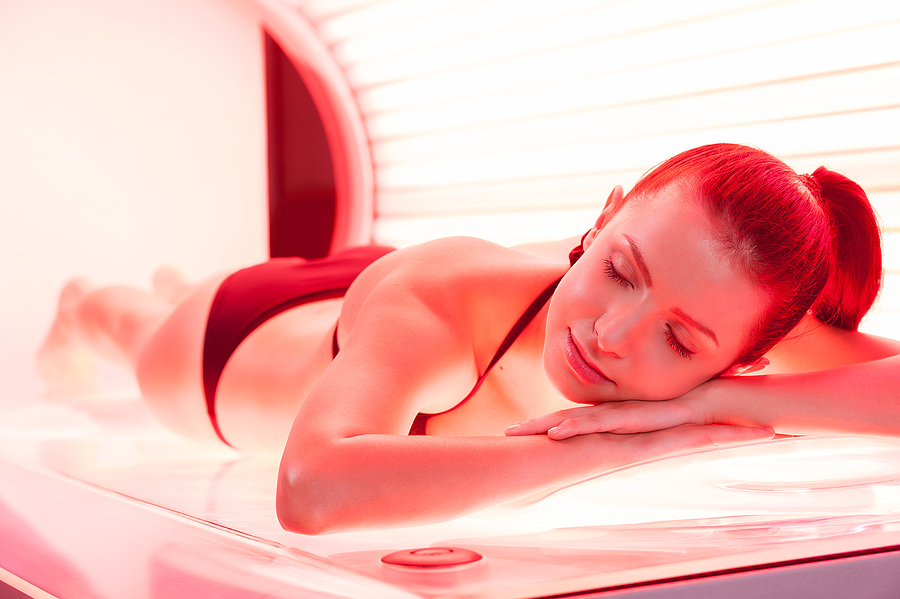
Tanning beds use UV lamps to stimulate melanin production, producing a tan similar to sun exposure. The World Health Organization’s International Agency for Research on Cancer classifies tanning devices as “carcinogenic to humans,” so this method does involve UV-related risk.
Spray Tans
Spray tans apply a fine mist to the skin’s surface, creating color without any UV exposure. Spray tanning is a popular choice for people who want a tan look while avoiding UV altogether.
Sunless Tanning Lotions
Sunless lotions work similarly to spray tans, gradually darkening the skin through a topical application. They offer flexibility for at-home touch-ups between salon visits.
How Can You Tan Indoors Safely?
Know Your Skin Type
Skin types respond differently to UV exposure. Lighter skin types burn more easily and typically require shorter session times, while medium to darker skin types may tan more readily but can still experience damage that isn’t immediately visible.
According to the FDA, sunburn’s full effects can take 6 to 48 hours to appear, and medium to dark skin may not show signs of damage right away. Always follow your salon’s recommended session guidelines based on your skin type.
Protect Your Eyes and Prep Your Skin
FDA-compliant protective eyewear is a must during every session—regular sunglasses won’t cut it. Skin should be clean, dry, and free of lotions or makeup before tanning, unless your salon specifies otherwise.
Don’t Overdo the Frequency
Spacing out sessions matters. Overexposure increases the risk of skin damage, so lean on your salon staff’s recommendations rather than tanning as often as possible.
What Mistakes Should You Avoid With Indoor Tanning?
Misusing SPF Products
Applying outdoor sunscreen or tanning oils incorrectly—or skipping SPF entirely on outdoor days following a tanning session—can leave skin more vulnerable. Ask your salon which products, if any, are appropriate for use before or after a session.
Tanning Too Often
More sessions don’t equal better results. Overexposure raises your risk for skin damage. The American Academy of Dermatology notes that indoor tanning can increase the risk of squamous cell carcinoma by 58% and basal cell carcinoma by 24%. Pacing your sessions protects your skin long-term.
Skipping Aftercare
Neglecting hydration and moisturizing after a session can cause your skin to dry out, flake, and fade unevenly.
How Do You Maintain Your Tan Afterward?
- Moisturize Daily: Hydrated skin holds color longer and looks smoother. A fragrance-free, daily moisturizer is a simple habit that makes a real difference.
- Extend Your Tan’s Life: Gentle cleansers and lukewarm (rather than hot) showers help prevent your tan from fading prematurely.
- Plan Your Next Visit: Let your skin recover between sessions. Your salon can help you map out a schedule that fits your skin type and goals.
Frequently Asked Questions
Is indoor tanning safe?
Indoor tanning carries real risks, including increased likelihood of skin cancer, according to the FDA and WHO’s International Agency for Research on Cancer. If you choose to tan indoors, follow salon guidance closely, use protective eyewear, and talk to a dermatologist about your personal risk factors.
How often should I tan?
Session frequency should be based on your skin type and your salon’s professional recommendation. Overexposure increases risk, so avoid tanning more often than advised.
What’s the difference between tanning beds and spray tans?
Tanning beds use UV light to stimulate melanin production, similar to sun exposure. Spray tans apply a topical mist for color without any UV exposure, making them a UV-free alternative for achieving a tan look.
Your Next Step Toward a Confident Glow
Indoor tanning offers several paths to the look you want, from UV-based tanning beds to UV-free spray tans and sunless lotions. Whichever method you choose, safety should guide every decision—from protective eyewear to session frequency to aftercare.
Ready to find the right fit for your skin? Visit Broad Ripple Tans in Indianapolis for professional indoor tanning services and personalized guidance from a team that puts your skin health first.
Related Posts:
Your First Trip to the Tanning Salon: A Beginner’s Guide
Guide on Choosing the Right Tanning Bed for Your Needs
Pre-Tanning Care: How to Prepare Your Skin for a Tan